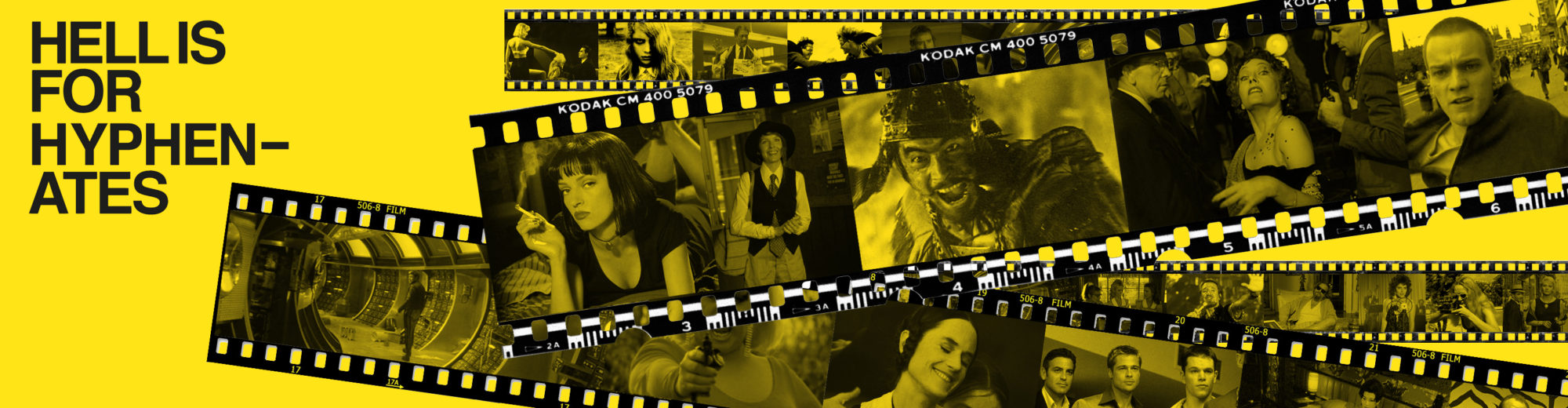
Filmmaker Lynn Shelton (Humpday, Your Sister’s Sister, Laggies) joins us for this episode as we talk the new releases of September 2014, examine whether we’re less enamoured by directors who are more stylistically experimental, and delve into the works of French auteur Claire Denis.
Want to be knowledgeable about our filmmaker of the month without committing yourself to an entire filmography? Then you need the Hell Is For Hyphenates Cheat Sheet: a suggested double that will make you an insta-expert in the director we're about to discuss…
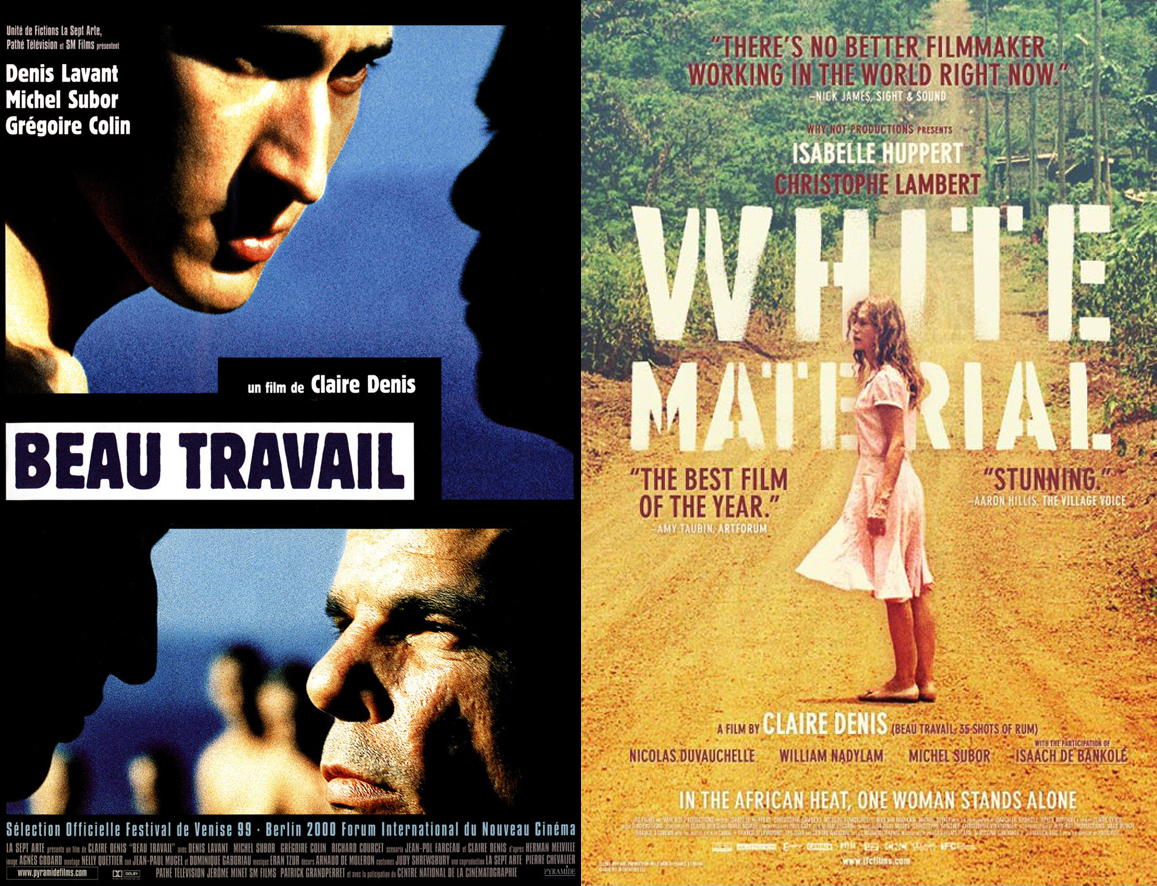
BEAU TRAVAIL (1999) and WHITE MATERIAL (2009)
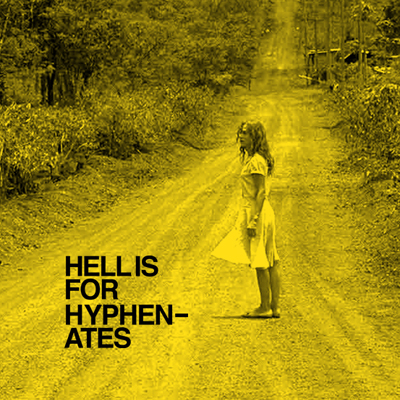
Director Claire Denis was raised in colonial French Africa, and many of her films reflect this in some way. Beau Travail is a sublimely beautiful work about an ex-French Foreign Legion officer reminiscing about his time leading soldiers in Africa. It stars Denis Lavant, a newly-minted cult figure thanks to his now-legendary work in Leos Carax's 2012 film Holy Motors. Following Beau Travail, you'll want to put on White Material. The always-brilliant Isabelle Huppert is the matriarch of a white family about to be kicked off their African plantation, trying desperately to hold onto the crop of coffee beans they've grown as their lives hang in danger. Both films are truly stunning, managing to convey a sense danger while drawing you in and lulling you to spend more time in these worlds. These two brilliant works, made ten years apart, should give you a solid understanding of the style of Claire Denis.
Substitutions: If you can't get Beau Travail, try Chocolat (1988). If you can't get White Material, try 35 Shots of Rum (2008).
[show_author shortcode: please set id/email attribute]
LEE
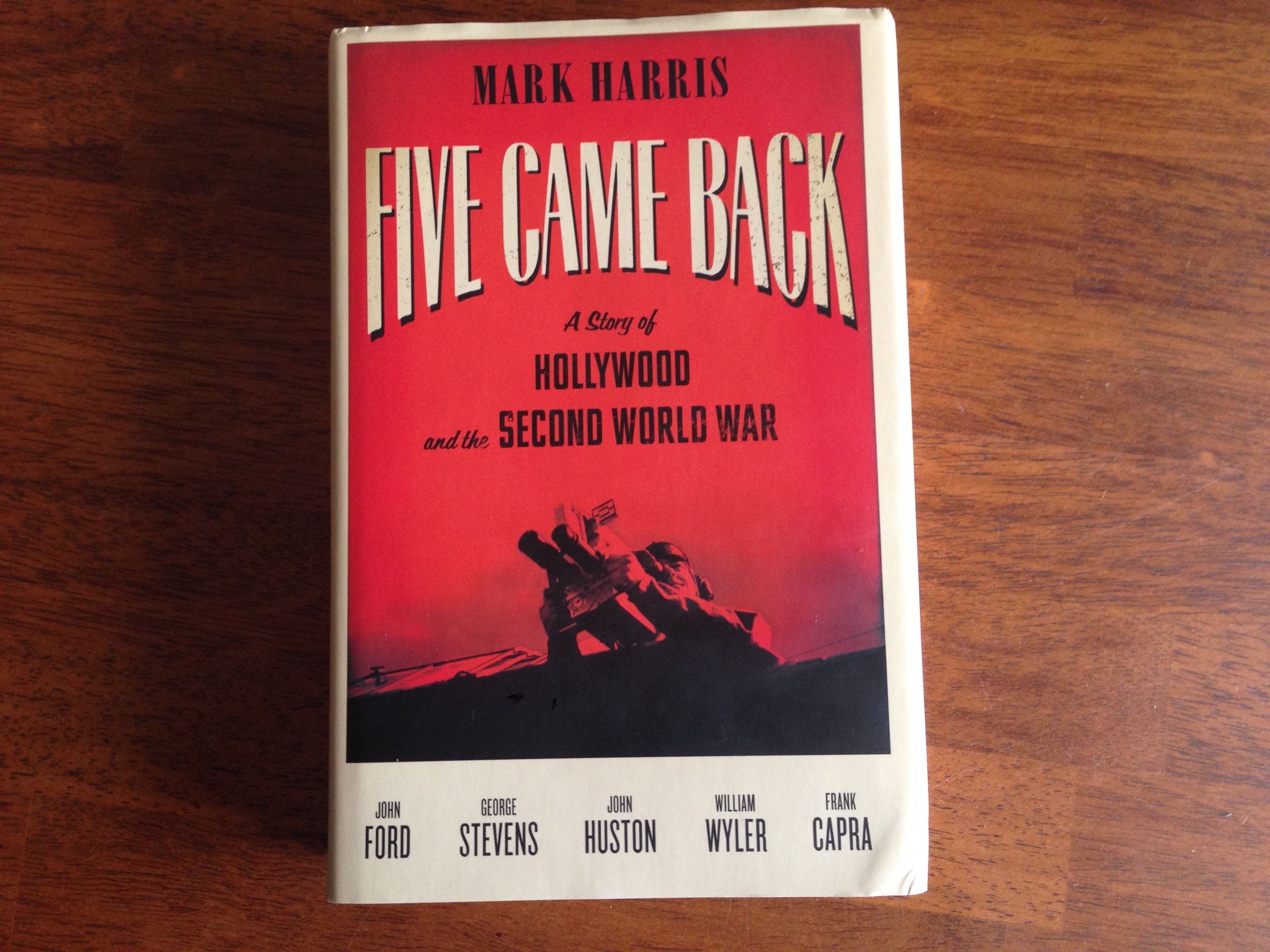
Every time I’d walk into my local bookstore over recent months, I'd stare covetously at Mark Harris's Five Came Back: A Story of Hollywood and the Second World War. The jacket boasted the names John Ford, George Stevens, John Huston, William Wyler and Frank Capra, five incredible golden age directors whose assembly elicited an instant Pavlovian response from both myself and, eventually, my wallet.
The further we get from World War Two, the more difficult it is for we in the present to relate to the sense of shared responsibility the world once experienced: that everyone would devote themselves fully to the war effort unless they had a good reason not to. Can you imagine modern day directors and movie stars signing up to the armed forces? Not every one of the directors discussed in this book was necessarily keen to join up, but all felt a strong duty to do so. All five joined not as soldiers, but as part of the film unit, working alongside the troops on the ground and documenting the battles that would later be turned into films to rally audiences back home.
The book itself is a curious mix of straightforward prose and dense research. At first, I felt there was almost too much research: that Harris had taken absolutely every scrap of information he'd found and merely laid it end-to-end. But as it progressed, the style emerged. It was undeniable that the research was impeccable: Harris had gone through and verified or debunked every single scrap of information, every recorded word uttered from one person to another. That which he couldn't verify one way or the other was clearly marked. The sum of these parts was a story that felt all the more remarkable because of its verisimilitude: there is little doubt that what you're reading is an unembellished, unpretentious account of five filmmakers who gave up their careers for a greater good.
I'd anticipated a story about returning soldiers, five directors who returned from the war as conquering heroes, and who, with a fresh perspective on the world, would help transform Hollywood into something that more closely reflected the experience of human life.
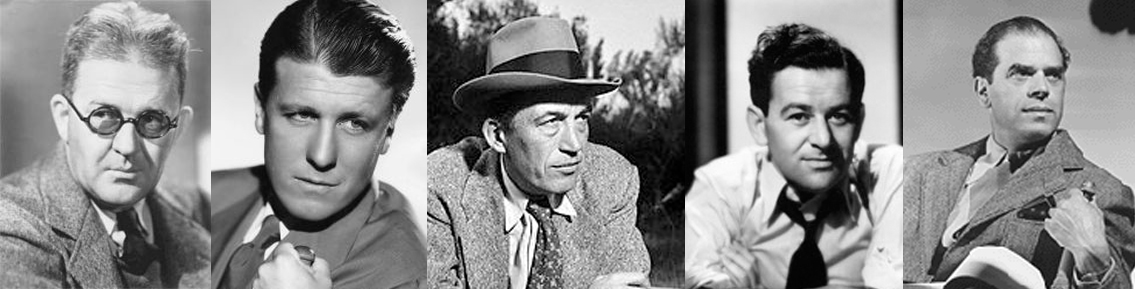
John Ford, George Stevens, John Huston, William Wyler and Frank Capra
The reality was much different. They were all changed by the war, but the manner in which they experienced it, from the battles between Washington bureaucracy and Hollywood business to the reality of being on the ground with the troops as they marched into Germany, created five distinct tales.
Each of these men had completely different expectations going in to the war. Each of them had different experiences. Each of them was changed in markedly distinct ways. This is a story that does not mistake their recording of the war as being more important than the war itself, that does not treat the advancement of their filmmaking careers as the most significant outcome; in doing so, it avoids the mistakes of so many of these tales that put its own interests front and centre. This is a story with a very level-headed perspective on the relative importance of everything it discusses.
That said, the impact that the war had on the directors' careers and the films they made is, nonetheless, incredibly interesting, and the end result is a fascinating, unique account of the complex and tumultuous relationship between Hollywood and World War Two.
We've not yet covered these five amazing filmmakers on the show (soon, hopefully!), but if you're interested in a tremendous piece of writing that illuminates a side of film history rarely discussed in such vivid detail, this is a must read.
Writer-director-producer-editor-actress and September 2014 Hyphenate Lynn Shelton
When Humpday came out in 2009, we were pretty enamoured. Although we were hardly experts in the mumblecore movement*, what we’d seen of it had not been hugely inspiring, and Humpday single-handedly changed that: the film was so funny, endearing, and brilliantly-constructed, it single-handedly turned us around on the whole sub-genre. The casual, handheld camera work was an aesthetic that added to the story, rather than feeling like it was simply the only method of production available.
So you can imagine we were pretty chuffed when Lynn agreed to be our next guest on the show, and we were very keen to find out who she would choose as her filmmaker. Who inspires one of independent cinema’s most exciting voices?
She has chosen French director Claire Denis, best known for films such as Beau Travail (1999), 35 Shots of Rum (2008) and White Material (2009). It's a fascinating choice, and we're really looking forward to watching or rewatching her films in preparation.
As always, the episode will be out on the last day of the month, so stock yourselves up on Shelton and Denis films and we'll meet you back here then.
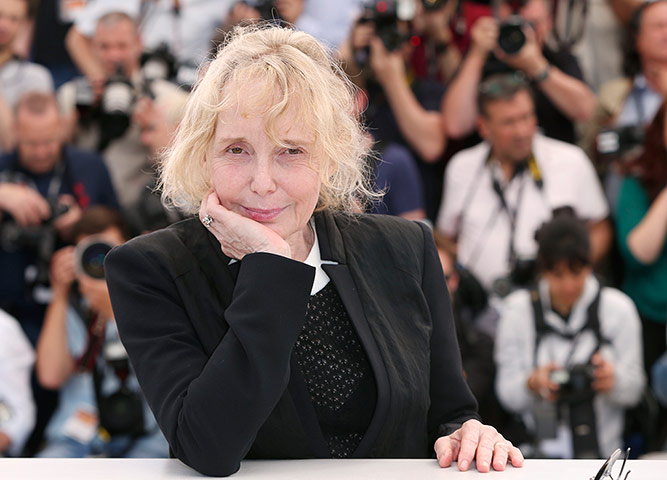
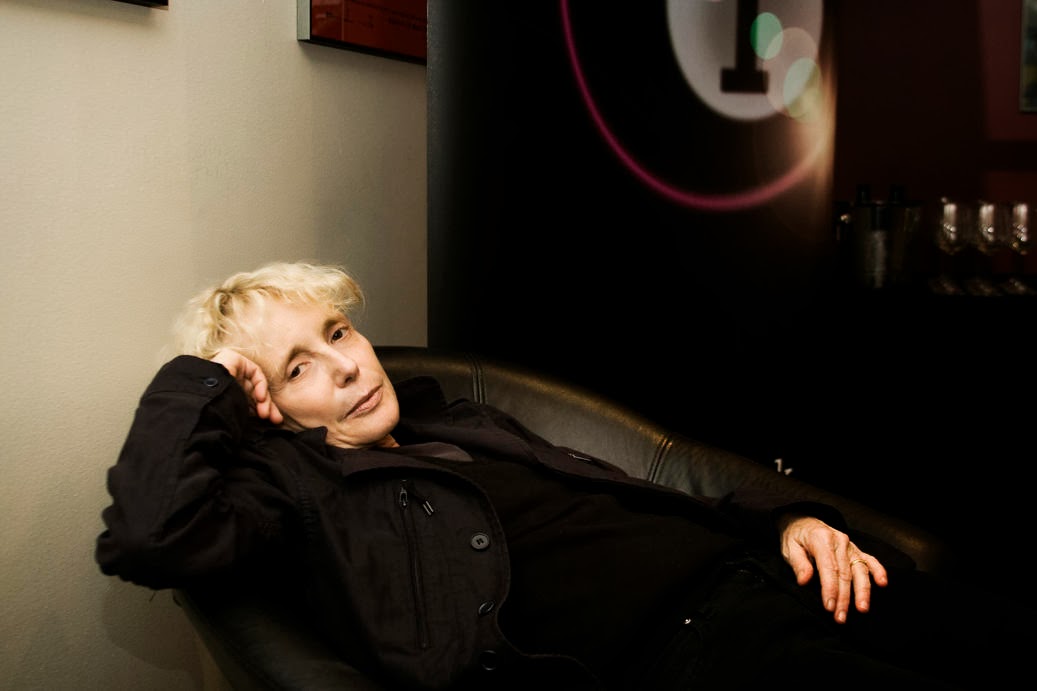
Legendary French filmmaker Claire Denis, the subject of our next episode
* Is “mumblecore” considered a legitimate term for the sub-genre, or a pejorative? We should look into that.
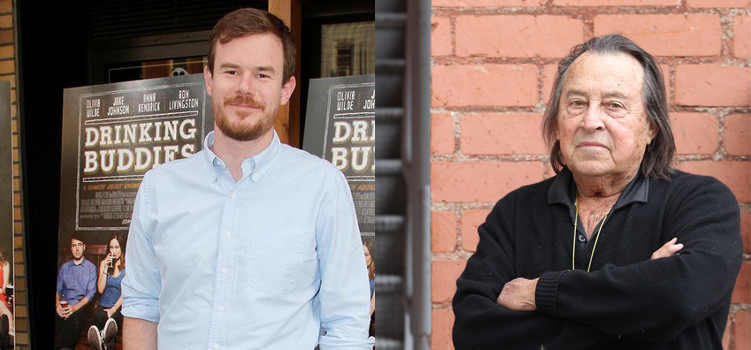
Joe Swanberg (left), and the director of his favourite film, Paul Mazursky (right)
Funny story: we had some informal talks with the Melbourne International Film Festival earlier this year about possibly doing a show in conjunction with them, much like our live Sydney Film Festival show in June. For various reasons, we were unable to make it work, and so we set about pursuing some of the other names on our overly-long wishlist of guests.
Joe Swanberg, director of last year's outstanding Drinking Buddies, immediately agreed to be on the show. We were pretty excited about this, and started organising a time to record the US-based filmmaker via Skype.
“I will be in Melbourne in August for the film festival,†he replied. “Can we do it then?â€
So, entirely by accident, we ended up doing a show with MIFF. The festival was excellent about our accidental booking of their guest, and slotted us in to Joe's press schedule. He was out here to introduce and promote his latest film, Happy Christmas, starring Anna Kendrick, Melanie Lynskey, Lena Dunham and himself.
At first, we thought his choice of Paul Mazursky might have been a sentimental one given Mazursky had passed away only a month earlier, but interviews such as this one from January of this year proved that Joe has been extolling the virtues of Mazursky's films all along.
For us, Mazursky’s filmography hit at just the right time. After several months of being neck-deep in Robert Altman films, we were feeling massive Altman withdrawal symptoms at Hi4H HQ. So it was fitting to find Mazursky's films - particularly his early ones - had a real Altmanesque feel to them: long, observational takes and a strong focus on performance, not to mention a roster of Atlman actors including Elliott Gould, Donald Sutherland, George Segal and Michael Murphy. That’s not to suggest Mazursky was just Altman Lite; he definitely had a style all his own. The work he did throughout the 1970s feels so groundbreaking and original and exciting, it’s difficult to understand why so many of his films have slipped out of the conversation.
Joe had a chance to talk with Mazursky on stage and the insight he brings to a filmmaker whose name should be as fondly remembered as all the greats of the 1970s is incredible.