Author Archives: The Hyphenates

The Michael Mann Cheat Sheet

Michael Mann

Want to become an instant expert in our filmmaker of the month without committing yourself to an entire filmography? Then you need the Hell Is For Hyphenates Cheat Sheet: we program you a double that will not only make for a great evening's viewing, but bring you suitably up-to-speed before our next episode lands…
MM Films

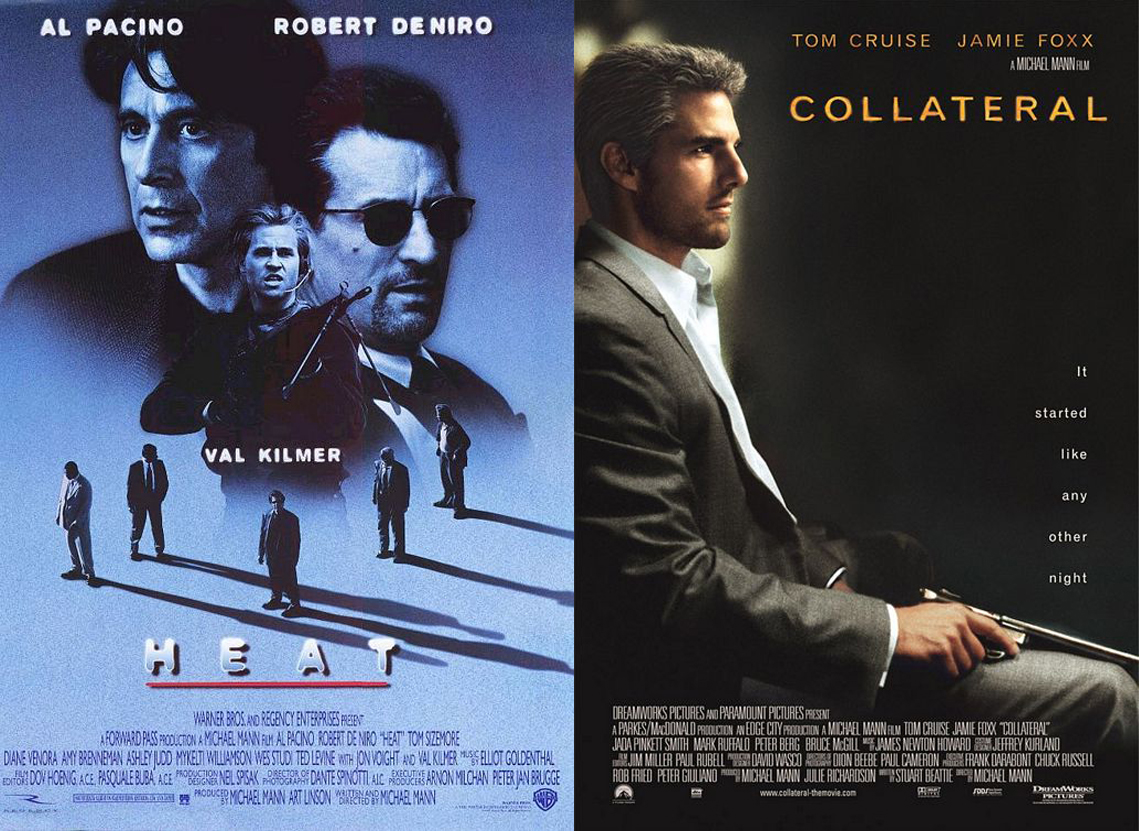
HEAT (1995) and COLLATERAL (2004)

There are few filmmakers with such distinct periods to their career as Michael Mann: there's the Celluloid Mann and the Digital Mann. There's also the Running Man, but that was directed by Paul Michael Glaser, and we don't want to confuse you. Of course, there's a lot more to Mann than just film vs digital, but if we're going to give you the complete Michael Mann experience, this is the obvious binary to go with. The first film in your evening's viewing is Heat, the 1995 crime film that finally united Al Pacino and Robert De Niro on screen (The Godfather Part II doesn't count because they never shared a scene, and Righteous Kill doesn't count for a variety of reasons). Heat is one of the great crime epics, the epitome of the Career Cop vs Career Criminal showdown. When you've finished that, follow it up with 2004's Collateral, which is probably the epitome of the Career Criminal vs Cab Driver crime epics. It's the first feature Mann shot exclusively on digital, and the best-received of Mann's 21st century oeuvre. Clear an evening this weekend, throw these two films on, and you'll be an instant expert in what makes Mann Mann.

Substitutions: Can't get or have already seen Heat? Then check out 1986's Manhunter. This was the first on-screen appearance of Hannibal Lecter, beating Silence of the Lambs to cinemas by five years. And a lot of film fans actually consider Manhunter to be every bit the equal to Silence. Will you be one of them? Find out! If you can't get or have already seen Collateral, check out 2006's Miami Vice. Look, it's not a universally beloved film, but like Collateral it demonstrates the visual and narrative aesthetic that Mann's been so keenly exploring.

The Hidden Gem: Want to see something from off the beaten path? Check out 1979's The Jericho Mile, Mann's first feature (albeit made for TV, so if you don't count those, then, I don't know, don't watch it). It's not talked about as often as his other works, but it's a hell of a debut and will leave you with little doubt as to why his career took off so quickly.

The next episode of Hell Is For Hyphenates, featuring Blake Howard talking Michael Mann, will be released on the morning of October 31 (AEST).

Our Next Hyphenate: Blake Howard

Blake Howard
Film critic, podcaster and October 2015 Hyphenate Blake Howard

The new era of Hell Is For Hyphenates is here! What will it sound like? Nobody knows! You'll have to tune in on October 31 to find out. But this is a show all about the guests, so allow us to introduce our October 2015 Hyphenate, Blake Howard.

Blake is a film critic, writer and podcaster based in Sydney. He's the editor-in-chief and co-founder of Graffiti With Punctuation, the popular Australian film and TV website. He began as the co-host of That Movie Show on 2UE, and currently co-hosts the podcasts Pod Save Our Screen with Maria Lewis, and The Debrief with Cam Williams. Thankfully, he's not too podded out, and will be joining us at the end of the month to talk some more film.

But which filmmaker has Blake chosen to talk about?

None other than the master of the modern crime noir, Michael Mann!

Directed By Michael Mann

Michael Mann is probably best known for the 1995 crime thriller Heat, which pitted Al Pacino and Robert De Niro against one another for the first time, finally seeing the pair share the screen after their missed connections in Godfather Part II. Prior to then, Mann had put himself on the map with the likes of The Jericho Mile, Thief, The Last of the Mohicans, and the first on-screen appearance of Hannibal Lecter in Manhunter.

Recently, Mann has been noted for his foray into digital photography, creating his own aesthetic long before the rest of cinema had gone digital. From 2004's Collateral onwards, his films took on a distinct look that has divided critics and audiences. From Miami Vice to Public Enemies to this year's Blackhat, Mann has established a visual texture that is unlike that of any other filmmaker.

But what is it about Mann that appeals to Blake? Join us on October 31 to find out!

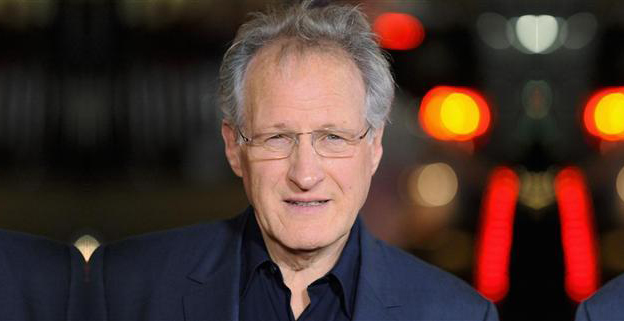
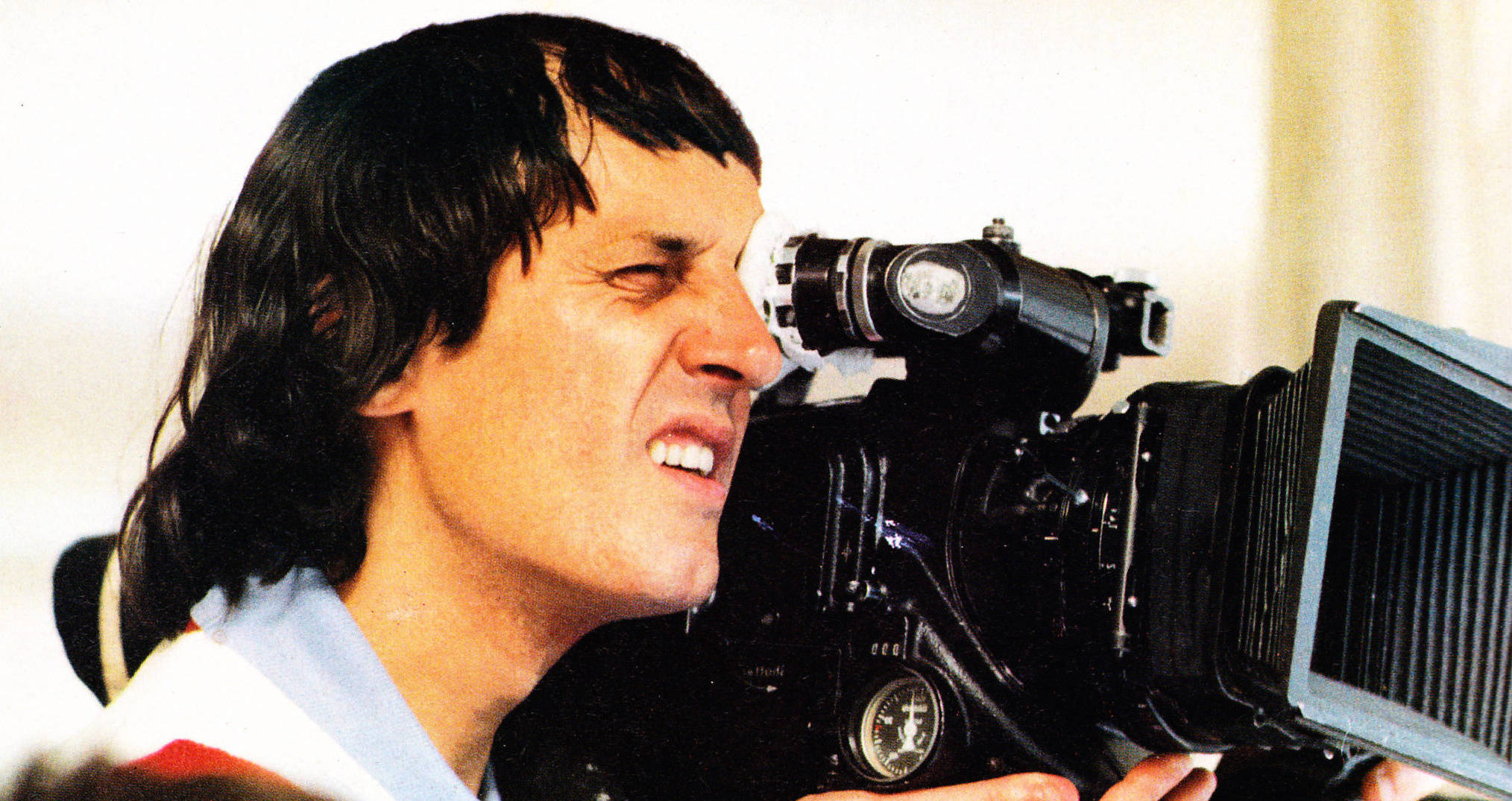
Michael Mann
Our next filmmaker of the month, Michael Mann

Nelson On Romero

Nelson On Romero

When there is no more room in Hell Is For Hyphenates, the Paul shall walk the Earth.

That was a bit of a switcheroo, wasn't it?

If you haven't listened to the podcast yet, you might want to stop reading this and get on it. However, if you want to know the news but don't care to listen to the show, it's very strange you're here, but also: Paul is leaving the show. Five-and-a-half years is a pretty impressive innings. In that time, Australia has had four Prime Ministers, so measured in those terms he's been here for donkey's.

As he discussed in this month's episode, there are a lot of factors. He will be leaving to focus his energies on his filmmaking career - prepping for Hell Is For Hyphenates requires a tremendous amount of time and energy - and decided that Lee moving to the UK would be a good opportunity to change things up. And that's the other piece of news: Lee is moving to the UK.

Because of that, it made sense that Paul's replacement be someone who is based in the UK already, and we've been incredibly fortunate to secure the talents of our next host Sophie Mayer! Sophie is a film critic and author who definitely knows her away around cinema in all its forms and shapes. She's the ideal candidate for the show, and we were totally delighted when she agreed to come on board.

There's going to be a lot of transition over the next few months. Hyphenates will migrate from an Australian-based show to a UK-based show, which will largely impact the film reviews as, out of necessity, we'll start to go by British release dates instead. Our remit for the reviews is that we talk about films our audience has seen, and we hope the makeup of our audience doesn't change despite this practical shift.

We've also got a number of Australian guests who are booked into 2016. We book so far in advance, many of these guests were confirmed before we had any idea this shake-up would be occurring. We will continue to ensure that any podcasts recorded over Skype are mixed in a way that will trick you into thinking we're all in the same room.

But the real transition will be figuring out what the show is now. For the past five-and-a-half years, Hyphenates has been the Paul-and-Lee show, with each episode's feel uniquely impacted by that month's guest. It would be foolish to try to replicate that, and so we'll be figuring out what the Sophie-and-Lee show sounds like. It's going to be the exact same show, but totally different. Trust us on that. It'll be exciting to mix it up, and we hope you stick with us as we figure out what this new iteration of Hyphenates sounds like.

But enough housekeeping. Hyphenates has always been, and will continue to be, first and foremost a show about celebrating films and filmmakers. And this month, as Paul transitioned over the course of the episode from host to guest, we discovered one of his favourite filmmakers was in fact George A Romero.

This came as something of a surprise to those who knew Paul to be a Tarantino-consumed child of 1970s New Hollywood. Surely, given QT has been covered on the show before, Scorsese would be the obvious choice? But although Paul's love for Marty remains strong, it's quite revealing to discover what it is about Romero that appeals to him so much, particularly as Paul embarks upon his own filmmaking career.

We also look at the thematically-titled London Road, Ridley Scott's The Martian, and Susanne Bier's A Second Chance, and, to varying degrees, rave like lunatics about each one. This is a bumper episode - 1hr 32m - due to the fact that it's Sophie's first and Paul's last, and that sort of momentous occasion deserves a bit of breathing room.

So enjoy this month's episode, and maybe leave Paul a farewell message on the episode, if you're so inclined. We hope you enjoy the new iteration of Hell Is For Hyphenates!

Outro music: score from Night of the Living Dead (1968), taken from stock music composed by either Harry Bluestone, Emil Cadkin, Jack Cookerly, Ib Glindemann, Philip Green, Geordie Hormel, William Loose, Jack Brunker Meakin, Spencer Moore or John Seely!


Those who have listened to the episode and are wondering which shot Lee was referring to when he said

“There is a moment in this film … I would rate it up there with Spielberg's best shot construction.”

…the shot in question is embedded below. Antagonist George Stark said that he'd castrate a character and place the… cuttings in said character's mouth. But how do you show that in an early 1990s mainstream film? Watch the way he orchestrates the characters, moves the camera, and ingeniously reveals the gruesome display. It's masterful stuff.

Hell Is For Hyphenates – September 2015

UK film critic and author Sophie Mayer joins Hyphenates for this special bumper episode that begins with an big announcement regarding the show! Then Sophie, Paul and Lee look back over some of the key films of this month, including LONDON ROAD, THE MARTIAN and A SECOND CHANCE. They end with an epic look back at the films of groundbreaking horror auteur, George A Romero.

The George A Romero Cheat Sheet

George A Romero

Want to become an instant expert in our filmmaker of the month without committing yourself to an entire filmography? Then you need the Hell Is For Hyphenates Cheat Sheet: we program you a double that will not only make for a great evening's viewing, but bring you suitably up-to-speed before our next episode lands…

GR Films

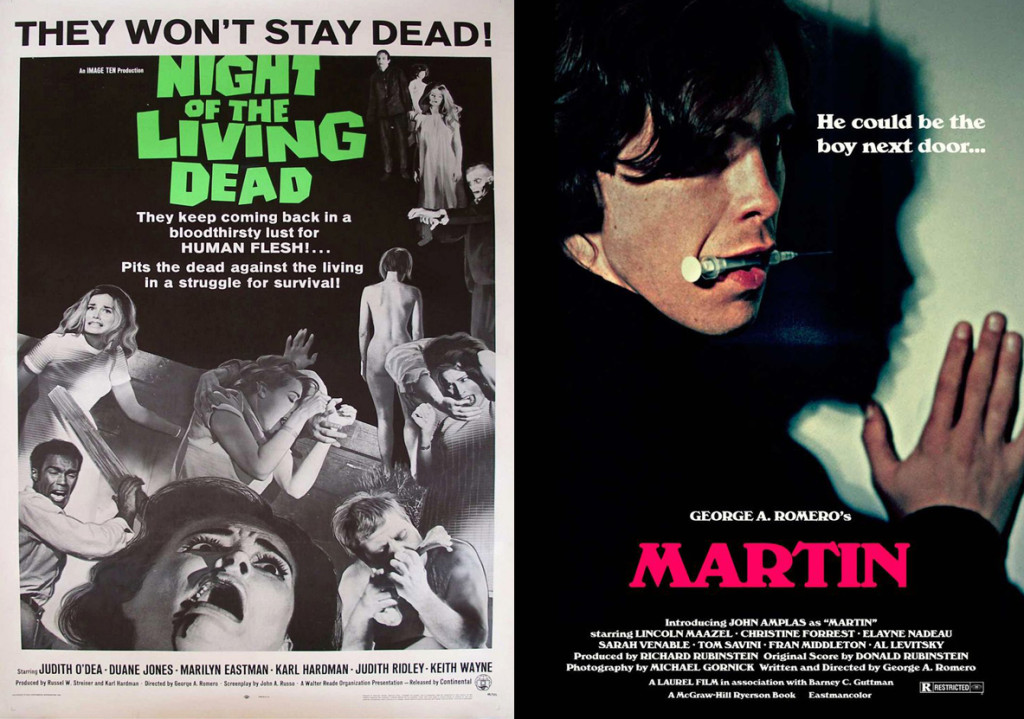
NIGHT OF THE LIVING DEAD (1968) and MARTIN (1977)

There are two George Romeros: the zombie filmmaker, and the not-zombie filmmaker. The first is the director of legend, the one everyone knows. Romero is, to many people, the filmmaker behind Night of the Living Dead, the independent horror film that brought zombies into the mainstream. This terrifying '60s classic is a world away from the B-movie schlock that defined so much of that period's horror, and so much more identifiable with the serious dramas of the time. It has become a touchstone of horror because of how rawly it reflects everything that's happening in the 1960s, particularly in terms of race relations. There's never an evening when Night of the Living Dead isn't a great watch, and you'll want to follow that up with Martin. This is the non-zombie Romero at play, and although it may seem as if he's taking a side-step into another classic monster trope (this time vampires), Martin is so much more than that. Our protagonist and titular character is deeply disturbed, and has been raised to believe he's a monster. It's a nature vs nurture argument treated like monster A vs monster B, and all contained within this intense character drama. It further reveals Romero as someone who is far from just a horror director: he's a filmmaker who uses horror to explore all sides of human nature, proving that ultimately, these two Romeros are one and that same.

Substitutions: If you can't get or have already seen Night of the Living Dead, try 1978's Dawn of the Dead, which is considered by many to be just as groundbreaking as Night. If you can't get or have already seen Martin, try 1981's Knightriders, the film that's as much about Romero the filmmaker as it is about Ed Harris putting on a suit of armour and riding a motorbike about the place.

The Hidden Gem: Want to watch something from off the beaten track? Check out Season of the Witch aka Hungry Wives (1972), an astonishingly progressive and dangerous film that, like all of Romero's best work, is far more about the human conflict than the supernatural.

The next episode of Hell Is For Hyphenates, featuring Sophie Mayer talking George A Romero, will be released on the morning of September 30 (AEST).

Our Next Hyphenate Sophie Mayer

Sophie Mayer
Film critic, author, and our next Hyphenate Sophie Mayer

It's always exciting when we get to employ the ridiculous amount of technology we have at our disposal, and patch in someone like they were in the room with us. Such is the case with the London-based Sophie Mayer, who we're delighted to announce will be joining us this month.

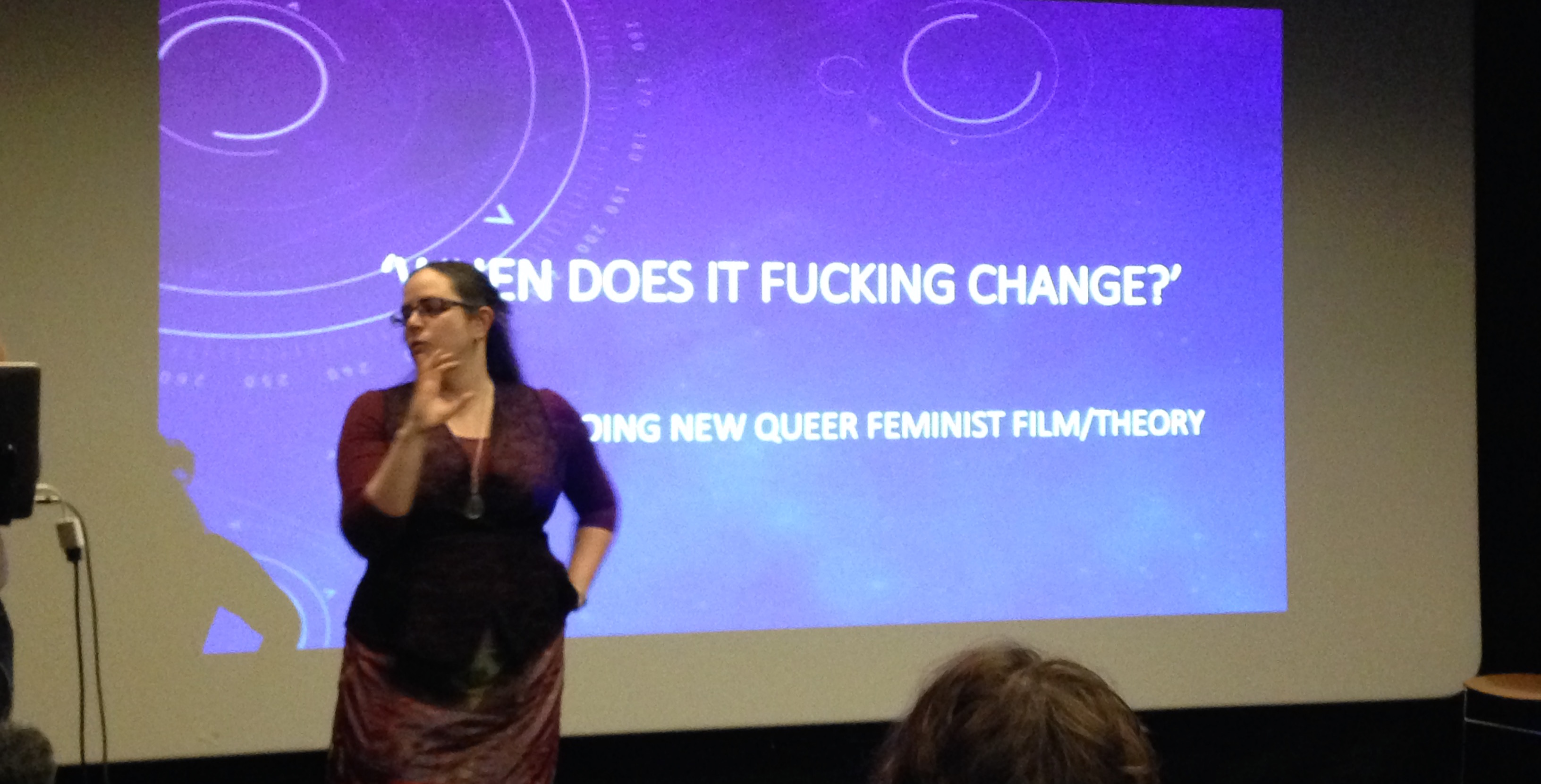
Sophie is a film critic and regular contributor to magazine Sight and Sound and The F-Word. The writes regularly on feminist, queer and alternative cinema, and is the author of The Cinema of Sally Potter: A Politics of Love and of Political Animals: The New Feminist Cinema, and co-edited Catechism: Poems For Pussy Riot. She is part of Club des Femmes and Raising Films, and teaches film studies and creative writing whenever she can.

But which filmmaker will we be discussing this month?

None other than the legendary horror filmmaker George A Romero!

Directed by George A Romero

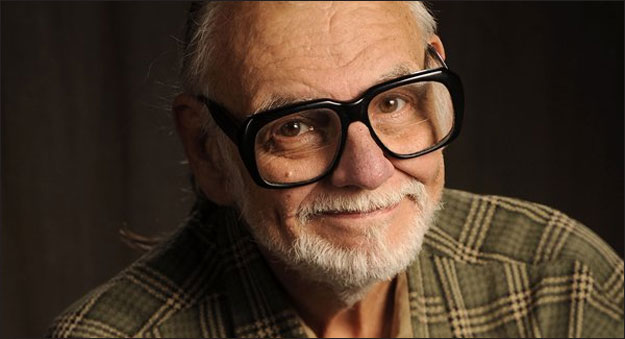
Romero is best known for popularising the zombie genre in mainstream cinema, through his seminal trilogy Night of the Living Dead, Dawn of the Dead and Day of the Dead. These extraordinary films have formed the spine of his legacy, but he was never exclusively a zombie director.

From the modern-day jousting knights drama Knightriders to the vampiric thriller Martin, Romero's work is so much more diverse than his reputation gives him credit for.

So join us on September 30 when we explore and reveal the hidden corners of this amazing filmography!

George A Romero
Our next filmmaker of the month, George A Romero

Heller-Nicholas On Argento

Heller-Nicholas on Argento

Dario Argento probably isn't for everyone. Not only is horror the genre that seems to turn surprisingly large swathes of people off, but Argento's brand of giallo is so specific and tonally distinct, if you're not on board with the type of heightened gore and high-intensity colour scheme and hilariously abrasive music he employs, then you're probably not going to get a lot out of the rest of his filmography.

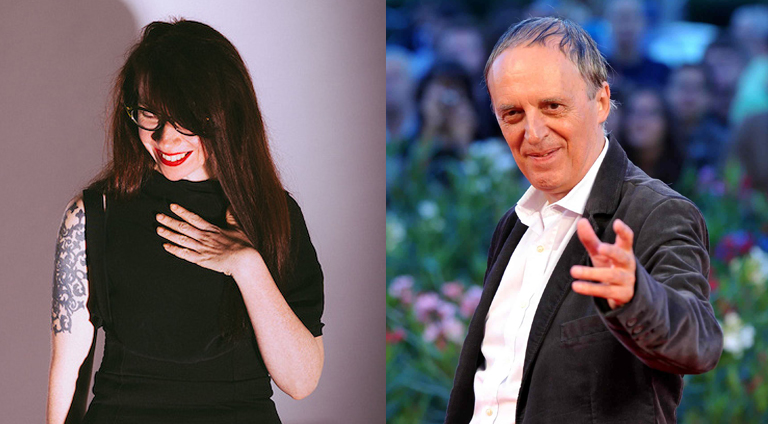
But if you are going to tackle a career such as Argento's, you need someone who knows what they're doing to guide you through. And there's nobody better for that than this month's guest, Alexandra Heller-Nicholas, who not only knows Argento's films back to back, but quite literally wrote the book on him.

Her insight and unique perspective means that we were treated to a view of Argento unlike any other you'll find out there. Case in point:

“I've always felt that Razorback was the Australian Suspiria. I've been laughed at a lot for that.”

It was also pretty fortuitous that when we suggested doing a mini-Hyphenate this month, not only was she up for the additional work, but turned out to be a huge fan of Herk Harvey… something we had not anticipated when we floated the idea to her. That, folks, is kismet.

Harvey was a horror filmmaker with a completely different sensibility to Argento, and unlike Argento, only made the one feature film. If you're not familiar with his name or you haven't seen Carnival of Souls, then this episode is going to whet your appetite in a big way.

We also broke a few rules with the reviews this month. We begin the segment with Woody Allen's Irrational Man (which came out in August), then continue with Guy Maddin's The Forbidden Room (which played at the Melbourne International Film Festival in August), and conclude with Roy Andersson's A Pigeon Sat on a Branch Reflecting On Existence (which didn't play anywhere in Australia in August).

Our reviews are always tilted in favour of new works by filmmakers we've covered on the show before, but not all films get releases. And we so wanted to talk about Maddin and Andersson's latest works, we thought we'd break a few of those self-imposed rules and make sure they didn't pass us by. Because they're both amazing creations from some amazing filmmakers, and it would be criminal to miss them.

Anyway, listen to the show. It's a good one.

Other notes:

Outro music: score from Suspiria (1977), composed by Dario Argento, Agostino Marangolo, Massimo Morante, Fabio Pignatelli and Claudio Simonetti, and performed by Goblin

Hell Is For Hyphenates – August 2015

Film critic and author Alexandra Heller-Nicholas joins the show to look at three new films: IRRATIONAL MAN, THE FORBIDDEN ROOM and A PIGEON SAT ON A BRANCH REFLECTING ON EXISTENCE. We then return to our semi-regular mini-Hyphenate segment to look at the fascinating career of Herk Harvey, director of the cult horror classic CARNIVAL OF SOULS. Then, Alex takes us through the cinema of the legendary Italian giallo filmmaker, Dario Argento.

The Dario Argento Cheat Sheet

Dario Argento

Want to become an instant expert in our filmmaker of the month without committing yourself to an entire filmography? Then you need the Hell Is For Hyphenates Cheat Sheet: we program you a double that will not only make for a great evening's viewing, but bring you suitably up-to-speed before our next episode lands…

DA Films

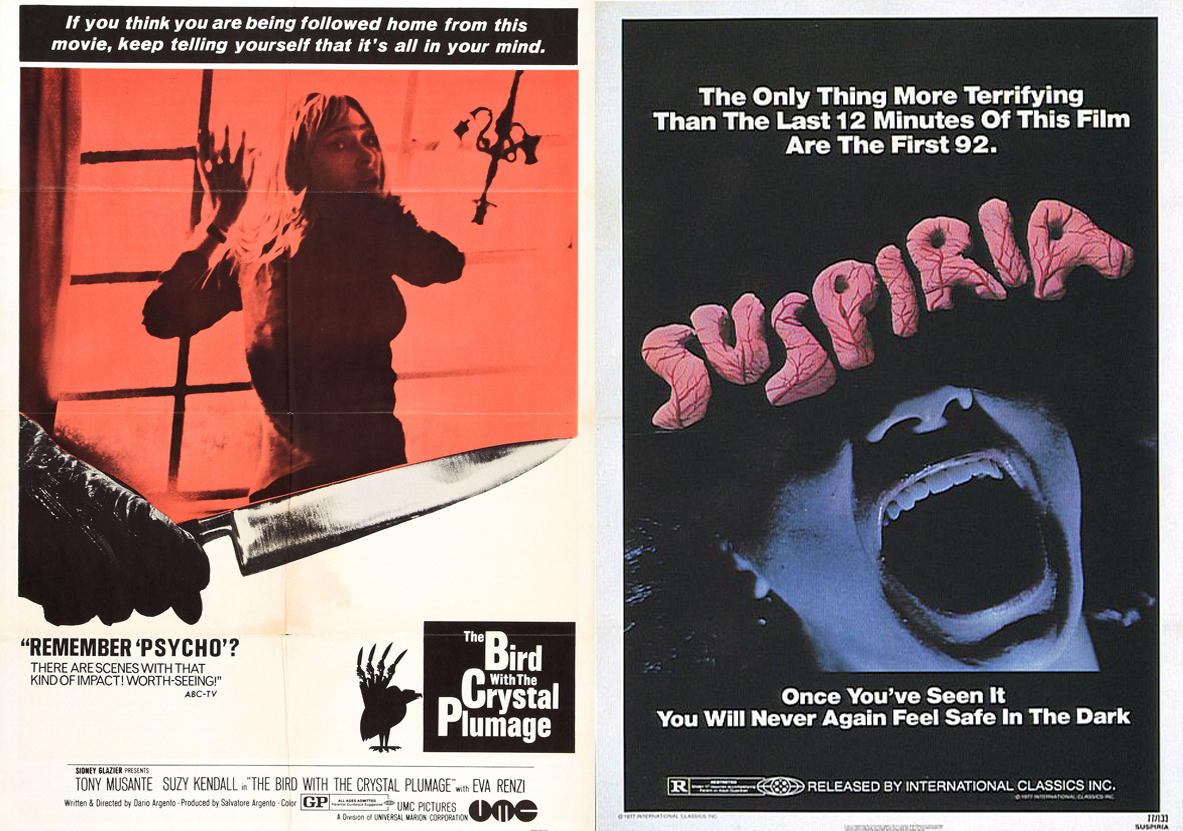
THE BIRD WITH THE CRYSTAL PLUMAGE (1970) and SUSPIRIA (1977)

To understand Dario Argento, there are two types of films you need to know about: his kaleidoscopic graphic novel-style horror, and his Hitchcock thriller pastiches. His first feature film, The Bird With the Crystal Plumage, is probably the best example of his Hitchcockian aspirations. Although his next film, 1971's The Cat O' Nine Tails would go all-out with the To Catch a Thief references, The Bird With the Crystal Plumage wears its influences on its sleeve, and probably the best synthesis of the filmmaker he wants to be with the filmmaker he is. Once you've watched that, your evening will go from great to greater as you put on the next film: 1977's Suspiria. Easily his best-known film, Suspiria abandons the Hitchcock riffing for a sensory supernatural horror experience that would become a mainstay of his filmography. These two films are the apogees of each approach, and will make for a seriously great evening of viewing.

Substitutions: If you can't get or have already seen The Bird with the Crystal Plumage, try 1975's Deep Red, starring 1970s icon David Hemmings. Like Plumage, it combines his bright red horror stylings with a whodunit mystery. If you can't get or have already seen Suspiria, try 1980's Inferno. It might not be amongst Argento's personal favourites works, but it is a total visual orgy that, like Suspiria, eschews Earthly culprits in favour of the supernatural.

The Hidden Gem: Want to watch something from off the beaten track? Check out 1973's The Five Days. You can pretty much thank this film for Argento's career: the historical comedy/drama performed so badly at the box office, he retreated to the somewhat ironic safety of horror. But let us suggest that it is actually a forgotten classic: at first, the story of a thief who accidentally becomes a revolutionary figurehead seems tonally muddled, but it really synthesises as it progresses, ending up as something really fun, really interesting, and not a million miles away from Sergio Leone's Duck You Sucker! (1971). This is one that's really worth checking out.

How to watch them in Australia: The Bird With the Crystal Plumage is available from most retail stores on DVD and Blu-ray via the Cinema Cult label. Suspiria is available to rent or buy on iTunes. Deep Red is available on Blu-ray for $10, or as part of a DVD set that includes Argento's Phenomena and Tenebre for only $7, both released via Umbrella Entertainment. Umbrella also released Suspiria on Blu-ray, but at time of writing its website claims it is out of stock. Neither Inferno or The Five Days appear to be available on any format in Australia, so you'll have to order those from overseas.

The next episode of Hell Is For Hyphenates, featuring Alexandra Heller-Nicholas talking Dario Argento, will be released on the morning of August 31 (AEST).

Our Next Hyphenate Alexandra Heller-Nicholas

Alex H-N
Author, broadcaster, critic and August 2015 Hyphenate Alexandra Heller-Nicholas

Most film lovers are obsessive collectors. It's just how our brains are wired. It's why we have all the Godfather films on the shelf, even though we only ever watch the first two, or why we have every Pirates of the Caribbean film even though we only ever watch the first two Godfathers. So, in that spirit, we took notice when our friends at Plato's Cave, the podcast that became a radio show whilst remaining a podcast, added a new host at the start of the year.

Alexandra Heller-Nicholas joined the show in March of this year, and was a great addition: funny and knowledgeable, she immediately shot up our wishlist of Hi4H guests. And not just because it will complete our collection of Plato's Cave hosts. Although we won't pretend there's not something satisfying about that. But, like the bowerbirds that we are, the moment we heard someone talking cinema in entertaining and engaging manner, we had to nab her for our show.

And so we are extremely delighted that Alexandra will be guest hosting our August episode of Hyphenates. But which filmmaker will she be discussing?

None other than the Italian master of giallo horror, Dario Argento!

Directed by Dario Argento

Argento isn't the only giallo filmmaker - giallo being that distinct type of Italian horror that often mixed detective story suspense with psychopathic slasher villains, employing elaborate camerawork and lurid colour schemes - but he is easily the best known.

After he collaborated with Sergio Leone and Bernardo Bertolucci on the script for Once Upon a Time in the West - and let that bizarre dream team tickle you brain for a moment - Argento made his directorial debut with The Bird With the Crystal Plumage, a huge box office hit in 1970. He then went on to make cult classics such as The Cat o'Nine Tails, Opera, Inferno and his most enduring work, Suspiria.

But what is it about Argento's work that has captivated audiences - and Alex - so? And what hidden gems lie in the unexplored corners of his filmography? Join us on August 31 when we find out!

Dario Argento
Our next filmmaker of the month, Dario Argento