We are joined this month by screenwriter and author C Robert Cargill (Sinister, Doctor Strange) as we look back at some of the biggest films from this month, including Transformers: The Last Knight, The Mummy, and Wonder Woman. Then, noting that all the films we looked at are building blocks for multi-tiered franchises, we look at the future of shared cinematic universes and look at whether this kind of big-budget world-building has a proper formula, or if it’s doomed to failure. Then, Cargill talks to us about his screenwriting hero and the godfather of the Ozploitation movement, Everett De Roche. De Roche was responsible for Patrick, Razorback, Road Games and many other films that helped define Australia’s screen identity. So how did Cargill get into his films growing up in Texas, and what influence did De Roche’s writing have on him?
Want to become an instant expert in our filmmaker of the month without committing yourself to an entire filmography? Then you need the Hell Is For Hyphenates Cheat Sheet: we program you a double feature that will not only make for a great evening's viewing, but will bring you suitably up-to-speed before our next episode lands…
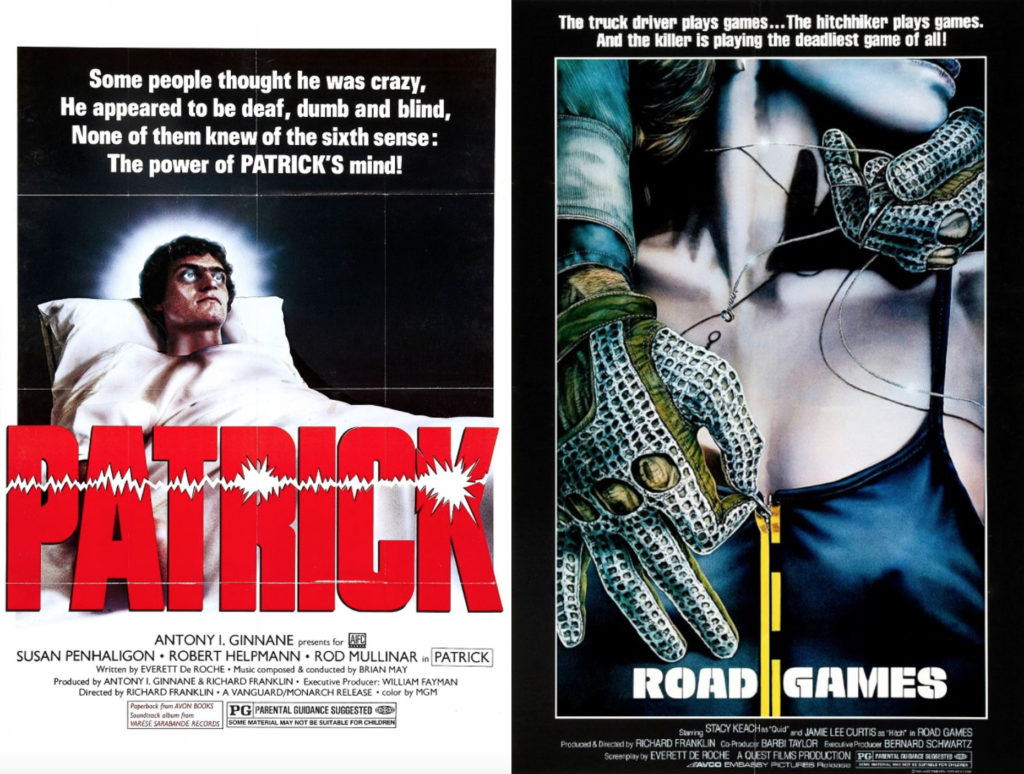
PATRICK (1978) and ROAD GAMES (1981)
Everett De Roche's career as a screenwriter was more than Ozploitation, but given he was a key figure in Australia's defining cinematic movement, we're going to focus on this phase to demonstrate why he inspired a fanbase all of his own. The first title that should be invoked when talking about not just De Roche's career but Ozploitation as a whole is Patrick, the supernatural thriller about a nurse tasked with caring for a comatosed young man who may or may not be killing people with his mind. De Roche's first collaboration with director Richard Franklin - one that would last 25 years - was the kind of scrappy, energetic blast needed in a film movement's nascent stages. Patrick is a hell of a lot of fun, and one you'll enjoy watching with some friends. After you've watched that, your evening continues with Road Games, the Rear Window-meets-Duel outback thriller featuring the distinctly American pairing of Stacy Keach and Jamie Lee Curtis. Also directed by Franklin, this film is a propulsive blast, with some all-time classic moments of suspense and craft.
Substitutions: If you can't get or have already seen Patrick, check out Long Weekend (1978). Released the same year as Patrick, De Roche's film about a married couple heading to the beach for a weekend getaway positions them as the antagonist and nature itself as the protagonist, with what appears to be an unintended environmental message the result of a perfectly simple horror idea. If you can't get or have already seen Road Games, track down Razorback (1984), and we'll only bother with three words to sell you on this one: Gigantic. Killer. Pig.
The Hidden Gem: Want to see something off the beaten path, a title rarely mentioned during discussions of De Roche's work? You need to get your hands on Link (1986). Elisabeth Shue plays an exchange student at an English university who becomes a live-in assistant for a professor who is preoccupied with the training of super-intelligent chimpanzees… and then the killing begins. If, somehow, that's not enough to convince you, then we should point out that the professor is played by Terence Stamp.
The next episode of Hell Is For Hyphenates, featuring C Robert Cargill talking Everett de Roche, will be released on 30 June 2017.
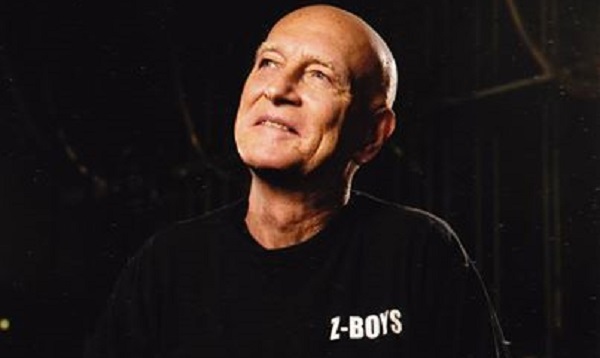
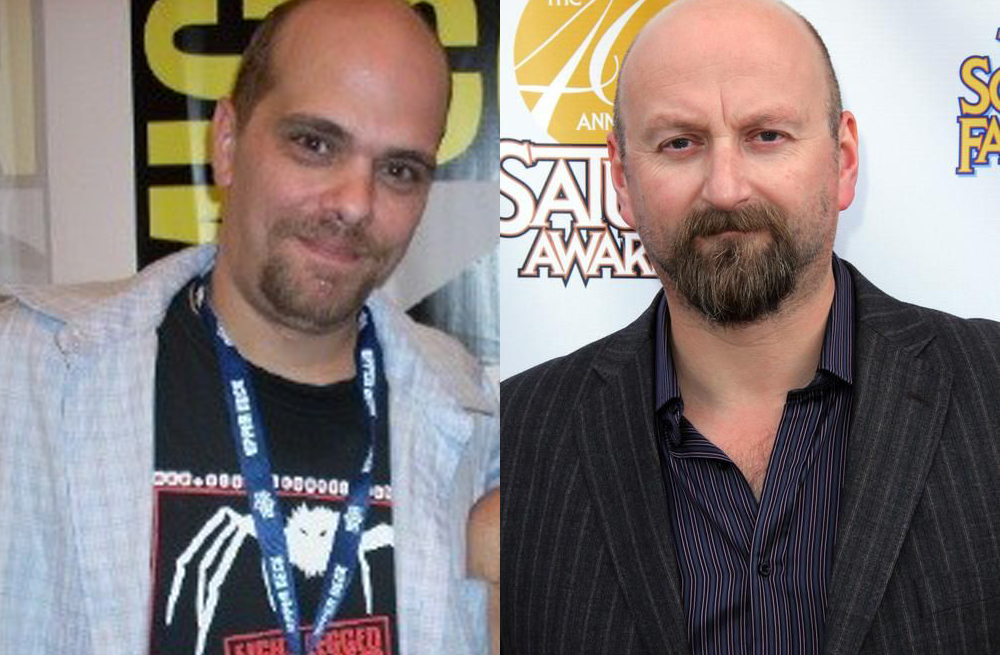
Author, screenwriter, and Hi4H June 2017 guest host C Robert Cargill
Our unofficial, not-at-all set-in-stone rule of not repeating any guests - wonderful though all our guests have been - was broken in 2014 when we marked our 5th anniversary by having our very first guest, Thomas Caldwell, join us exactly five years on.
This month, we're doing it again: five years ago, screenwriter, critic and author C Robert Cargill joined us on the show, and now he's back! At the time, his first feature film credit, Sinister, co-written by that film's director, Scott Derrickson and starring Ethan Hawke, had just been released.
He's clearly kept busy in the intervening years. He's released two fantasy novels, Dreams and Shadows and its sequel Queen of the Dark Things. He has also written Sinister 2 (with Derrickson), as well as the Marvel movie Doctor Strange (with Derrickson and Jon Spaihts), starring Benedict Cumberbatch, Chiwetal Ejiofor, Rachel McAdams and Tilda Swinton. We're yet to grill him about his upcoming projects, but the internet tells us he and Derrickson are currently working on feature film adaptations of both the video game Deus Ex and the classic anthology series The Outer Limits.
But why is he returning to Hyphenates? Which filmmaking icon has inspired him to once again enter the hellish sanctum?
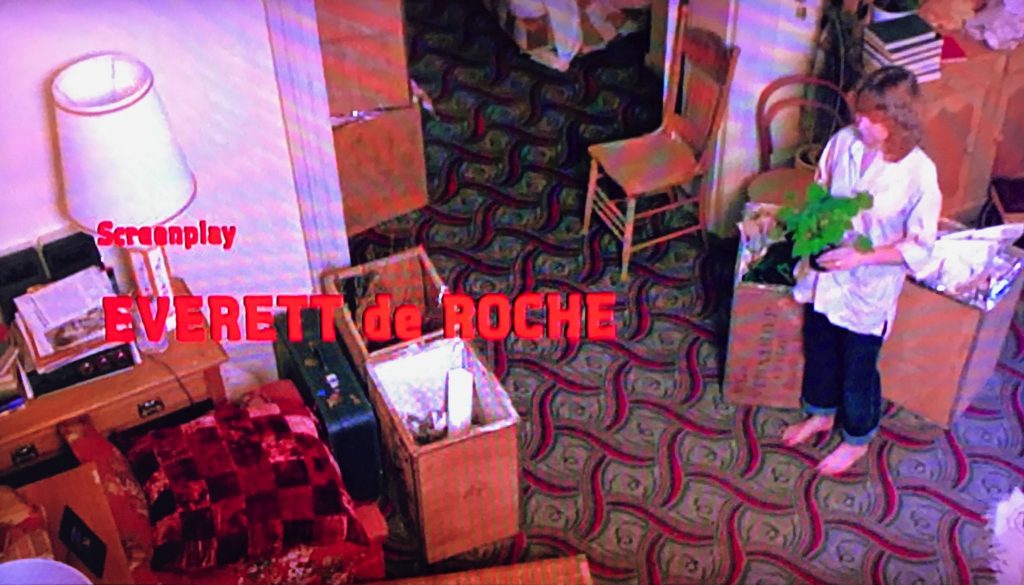
Five years ago, he talked to Paul and Lee about the films of director Michael Bay. This month, he'll be talking to Sophie and Lee about the films of screenwriter Everett De Roche!
This isn't the first time that our guest has defined the term “filmmaker†as screenwriter - and this is certainly an approach we encourage, given the concept of auteur should not be limited to just the directors. This is an easy case to make when we're talking about someone like Everett De Roche, who helped define not just an era in cinema, but the screen identity of an entire nation.
De Roche got his start writing for some of Australia's biggest television institutions - including Homicide, Bluey, The Flying Doctors, Fire, Good Guys Bad Guys, Stingers and many more - before playing a key part in the resurgence of 1970s and 1980s Australian cinema that would come to be known as “Ozploitationâ€.
De Roche wrote a lion's share of the era's classics, including Patrick (1978), Long Weekend (1978), Road Games (1981), Razorback (1984), as well as penning the adventure film Frog Dreaming (1986). He worked with directors such as Richard Franklin, Simon Wincer, Russell Malcahy, Jamie Blanks, and Hi4H alum Brian Trenchard-Smith.
Sadly, De Roche passed away in 2014, but not before experiencing an unexpected burst of fame when, during a visit to Australia in 2008, Quentin Tarantino announced: “Almost everything that Everett De Roche wrote is one of my favourite films.†As if on cue, every gen-y film fan in Australia rushed to imdb to find out what they had to catch up on, and the De Rocheassance was born. (Look, the term might take off. You don't know.)
So what was it about the films of Everett De Roche that appeals to C Robert Cargill? Join us on June 30 when we find out!
“I am aware that I have to please the comic fans, the Mignola fans, I gotta appease the Del Toro fans and somehow keep everybody happy or at least give them something new. The bottom line is I just gotta make a really great movie.â€
Seven years is a significant number. It's the number of years it took Richard Sherman to get an itch. It's how long Brad Pitt spent in Tibet. It's the amount of time Max Linder was doomed to suffer after breaking that window. (You can deep dive imdb for alternative examples if you so desire.)
It may not be a big round number, but we still wanted to mark the occasion with something significant, and that we did: this episode marks the first time that our guest was once our filmmaker of the month! It's a milestone we've been hoping to reach for quite some time, and after contacting Neil following our coverage of his films in the April episode, were delighted when he agreed to join us!
After Sophie and Lee chat about some of this month's new releases - including Jordan Peele's horror comedy Get Out, Ridley Scott's presequel Alien: Covenant, the latest Pirates of the Caribbean entry Dead Men Tell No Tales, and British comedy Mindhorn - Neil joins us from LA (not Vancouver).
We take this opportunity to, somewhat indulgently, ask him about what it was like to listen to the episode about his films, how strange it is to hear people talk about your work, and whether or not we got anything significantly wrong. Neil has also just been announced as the director of the next Hellboy film, following on from Guillermo del Toro, and the reaction to news of the reboot probably got him more press than any of his films. We get a little bit out of him about Hellboy, and his insights into what it's like to be at the centre of a media storm is fascinating.
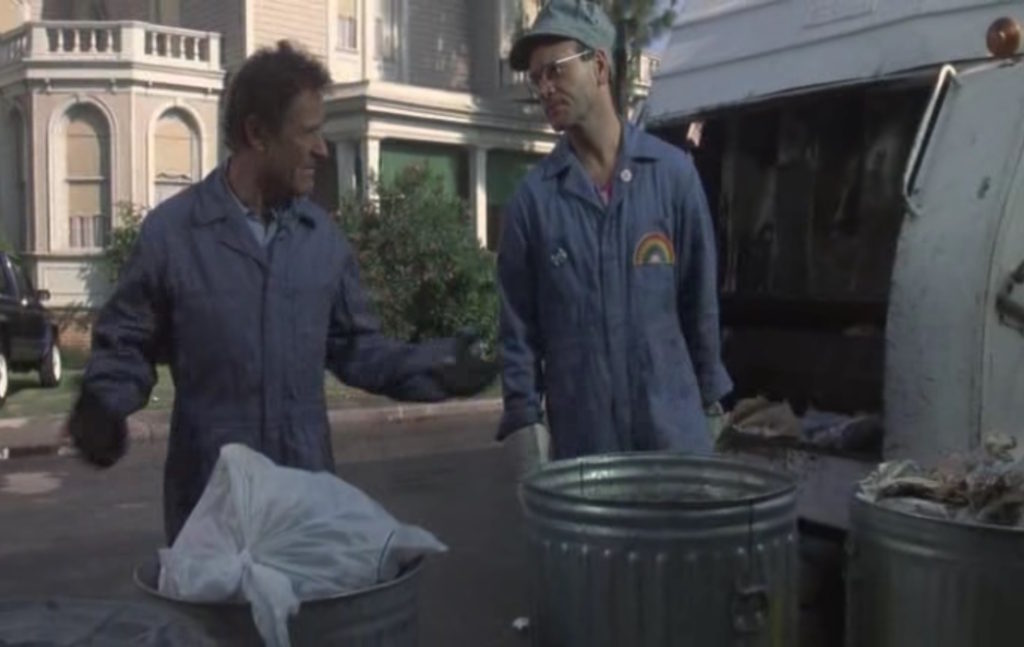
Dante’s two most frequent on-screen collaborators, Dick Miller and Robert Picardo, appear together as garbage collectors in The ‘Burbs (1989)
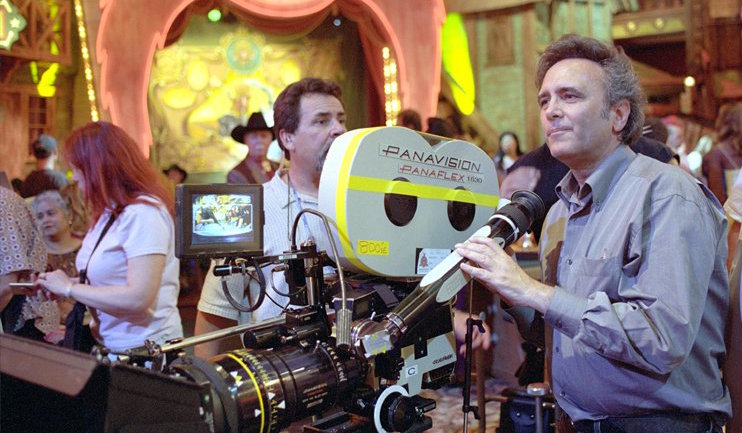
Then Neil takes us into the works of his own selected filmmaker of the month: Joe Dante. Neil grew up watching Dante's films, and finds it surreal that he is essential now a colleague of Dante, directing him in an anthology film and even contributing to Dante's website Trailers From Hell. But here Neil talks about why he loves Joe Dante's films so much, and the effect they had on him at a young age. What inspiration did the director of Dog Soldiers draw from the director of The Howling? You'll have to listen to find out!
Further reading:
Sophie and Lee talk about Alien: Covenant, the latest film in Ridley Scott's Alien prequel series. Here is the original Hi4H review of Prometheus from June 2012.
Lee expands on the idea of Prometheus as a metaphor for fatherhood contrasting Alien being a metaphor for motherhood on his blog here.
With little-to-no embarrassment, we ask Neil what it was like to listen to our episode talking about his work. If you've not listened to it yet, check it out here!
Pixilation is definitely a real thing. Never fail a film test again!
Outro music: “New York, New Yorkâ€, written by John Kander & Fred Ebb and performed by Tony Randall, from Gremlins 2: The New Batch (1990)
The latest episode of Hell Is For Hyphenates, featuring Neil Marshall talking the films of Joe Dante, can be heard on Stitcher Smart Radio, subscribed to on iTunes, or downloaded/streamed via our website.
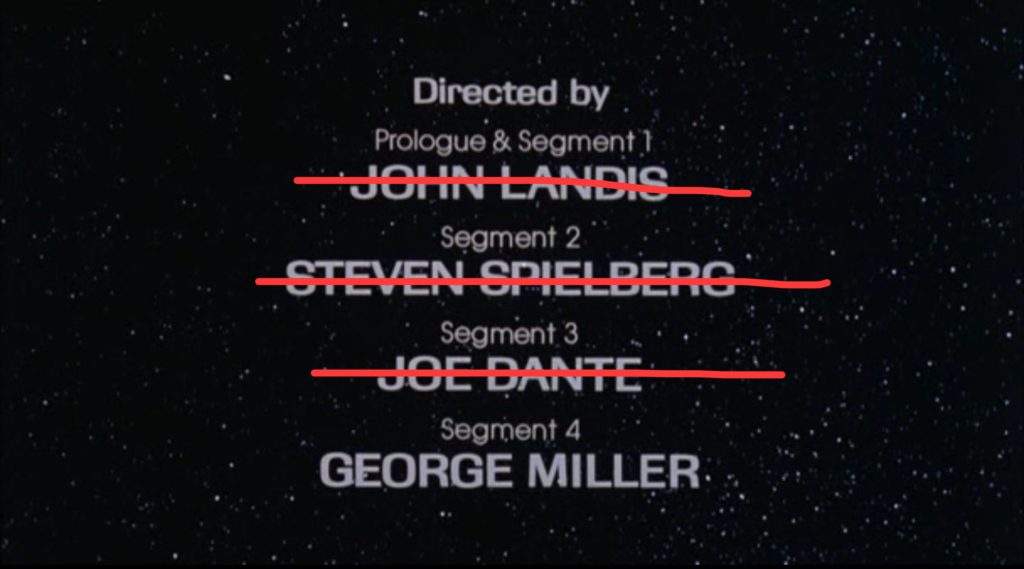
After covering John Landis, Steven Spielberg and now Joe Dante on the show (in that order, too), we just need a George Miller episode to complete our collection of Twilight Zone: The Movie directors.
It’s the 7th anniversary of Hell Is For Hyphenates, and to mark the occasion we are joined by a guest who was, just last month, the subject of our filmmaker of the month segment: horror filmmaker Neil Marshall! We kick off this episode with reviews of some of this month’s films, including Jordan Peele’s horror comedy Get Out, Ridley Scott’s sequel-to-a-prequel Alien: Covenant, the fifth Pirates of the Caribbean film Dead Men Tell No Tales, and the British comedy film Mindhorn. Then Neil talks about what it’s like as a filmmaker to listen and read criticism of his films, and what influences that has on his work. Finally, Neil takes us through the films and career of one of his biggest inspirations, a director of comedy, horror, fantasy, and much more besides, Joe Dante!
Want to become an instant expert in our filmmaker of the month without committing yourself to an entire filmography? Then you need the Hell Is For Hyphenates Cheat Sheet: we program you a double feature that will not only make for a great evening's viewing, but will bring you suitably up-to-speed before our next episode lands…
THE 'BURBS (1989) and GREMLINS 2: THE NEW BATCH (1990)
Don't let the fact that The 'Burbs is incredibly silly and funny distract you from the fact that it is also an incredibly clever satire on the veneer of the American Dream. At the tail end of the Reagan era and the Cold War, Joe Dante made a film about white America's fear of foreigners, set in an idealised neighbourhood whose pristineness belies a rotten, ugly heart. Tom Hanks stars as the quintessential middle-class husband and father who has a growing suspicion of his unusual neighbours, and, egged on by the mob mentality of other members of the suburban cul-de-sac, ignites chaos and destruction. It's possibly Dante's cleverest work, and a potential insight into his worldview. Your evening continues with a viewing of Gremlins 2: The New Batch. The original Gremlins is widely considered the superior film, but we're going to make a case for the sequel. The point of the Cheat Sheet is to give you everything you need to know about the director in the space of two films, and Dante's predilection for Looney Tunes-inspired wackiness and meta-textual gags that trample uncaringly over the remains of the fourth wall make Gremlins 2 the irresistible choice. Film critic Leonard Maltin appears at one point in the film, trashing the original Gremlins on screen before he himself is attacked by Gremlins, who then stop the actual film we're watching as we're watching it, taking over the cinema we are presumably in! The first Gremlins felt like Dante meeting the audience halfway; the sequel feels like Dante Unleashed. Watching these two films back-to-back should tell you everything you need to know about what makes Joe Dante tick.
Substitutions: If you can't get or have already seen The 'Burbs, track down Innerspace (1987). It's not exactly the suburbam satire that The 'Burbs is, but it's the perfect mix of action and comedy, and one of the most eminently rewatchable films Dante has made. Who doesn't want to see Dennis Quaid shrunk to microscopic proportions and injected into Martin Short's arse? Crazy people, that's who. If you can't get or have already seen Gremlins 2: The New Batch, get yourself a copy of Looney Tunes: Back In Action. After years of emulating the Bugs Bunny aesthetic on screen - and collaborating more than once with the great Chuck Jones - Dante fulfilled what was surely a prophecy from the mists of time, directing the 2003 live action Looney Tunes film. Though it doesn’t quite reach the peak of the original cartoon (but what since 1964 has?), it’s still far more in the spirit of the classic series than every hipster's favourite ironic go-to reference Space Jam. You know it's true.
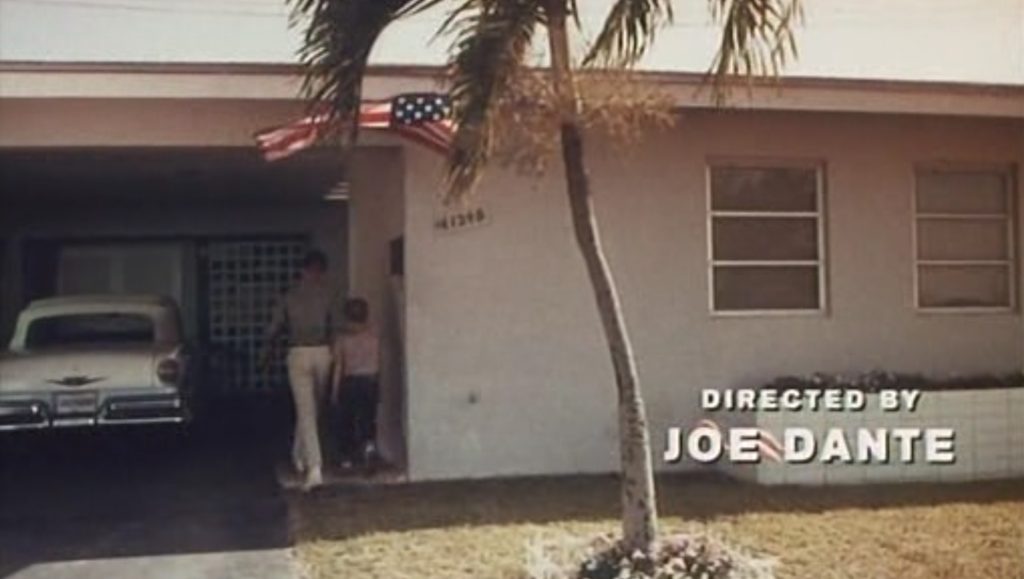
The Hidden Gem: Want to see something off the beaten path, a lesser-known work from Joe Dante's filmography? We recommend you take a look at 1993's Matinee. Dante's love letter to William Castle features John Goodman as a schlocky film producer promoting his horror film Mant! in southern Florida as a group of movie-loving kids try to cope with the Cuban Missile Crisis. We'll likely never see a movie-length dramatisation of Joe Dante's childhood, so Matinee is probably the next best thing.
The next episode of Hell Is For Hyphenates, featuring Neil Marshall talking Joe Dante, will be released on 31 May 2017.
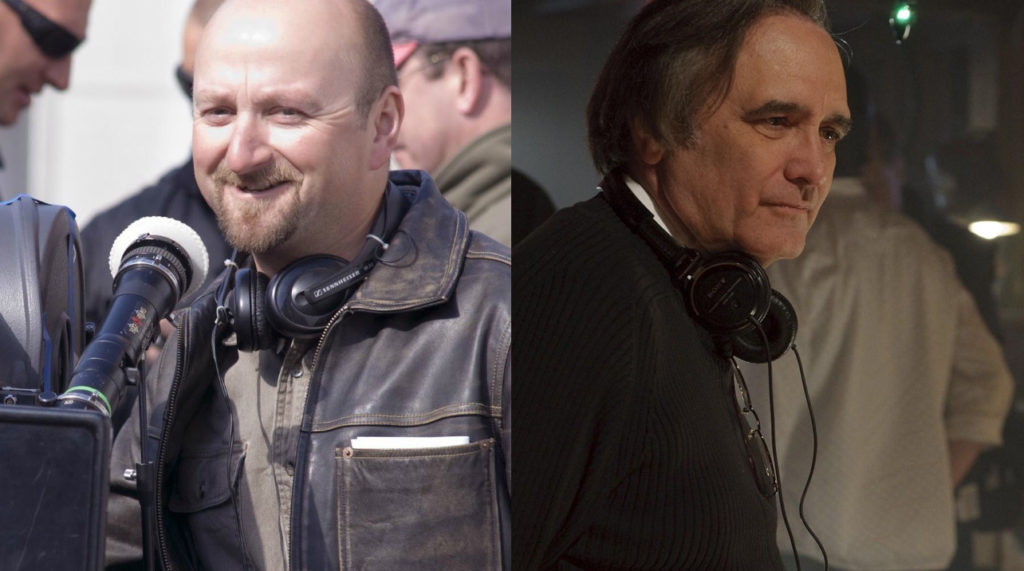
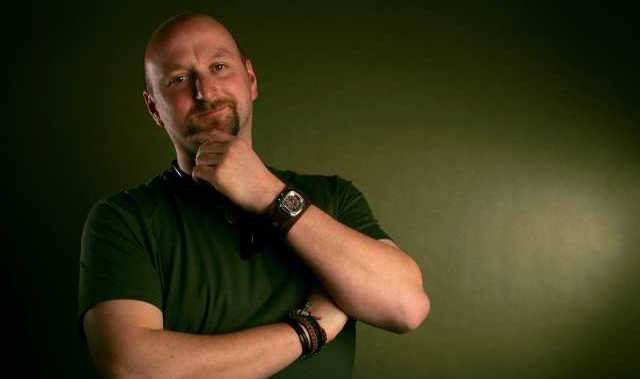
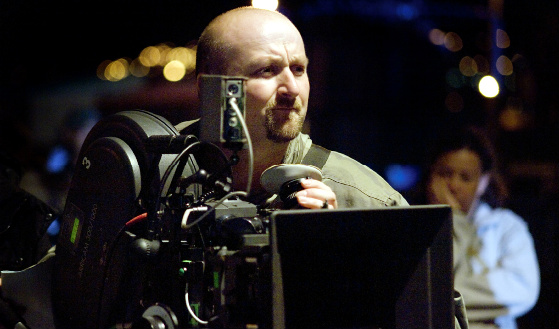
Writer, director and Hi4H May 2017 guest host Neil Marshall
A big question kicking around Hi4H headquarters since we released our first episode in May 2010 has been this: who will be the first person to be both a guest and a filmmaker of the month? We've talked about a lot of very talented and very still-alive filmmakers on the show… and have tried to lure many of them on as guests, coming awfully close a couple of times, but to no avail. Until now!
If you are yet to listen to last month's show, a) hurry up, and b) here's a rundown of Neil's bonafides: he is an English filmmaker best known for horror films such as Dog Soldiers (2002), The Descent (2005), Doomsday (2008) and Centurion (2010), as well as his high-profile television work that has included Game of Thrones, Hannibal, Constantine, Black Sails and Westworld. And about 24 hours ago it was announced he’s directing the reboot of Hellboy with David Harbour in the lead role! (The timing of the Hellboy announcement with this announcement is complete coincidence, although we’re more than willing to pretend we were in on it the whole time and this was deliberately-timed synergy.)
Of course, all of that is far less important than his next role: that of Hell Is For Hyphenates guest host!
So which filmmaker will Neil be joining us to talk about?
None other than Joe Dante!
Dante is a beloved director for cinephiles who grew up in the 1980s and 1990s. This was the era in which high-concept fantasy and self-aware comedy merged to push big budget Hollywood films into what would eventually be referred to as “geek†cinema, with directors such as Steven Spielberg and George Lucas helping to turn the niche into the mainstream.
Joe Dante was one of the key figures of this movement. From his beginnings directing episodes of the groundbreaking comedy series Police Squad!, to his early films such as Hollywood Boulevard (co-directed with Allan Arkush), Dante was quickly established as someone with a sincere love of genre films and a keen sense of humour.
With a career including Piranha, Twilight Zone: The Movie, The Howling, Gremlins, Innerspace, Explorers and The 'Burbs, he defined the movement of multiplex cinema that was exciting, fantastical, smart, and above all fun.
So what is it about Dante's films that specifically appeals to Neil? Join us on May 31 when we find out!
“When you need to set the ocean on fire, you hire Neil Marshall.”
An American, a Brit and an Australian walk into a podcast… This month certainly isn't the first time we've recorded across three continents, but with daylight savings ending in one place and starting in another, it certainly made for some tricky scheduling as one of us got up super early, one of stayed up super late, and another relaxed in the comfort of the early evening. See if you can guess which was which! Actually, don't.
We were covering John Carpenter’s films on Hi4H at the same time Kurt Russell was announced as starring in Guardians 2. So this moment in Carpenter’s Elvis (1982) really stood out to us as an almost-prophecy.
We kick off this month's episode with a look back at three different films from April 2017 (according to the disparate release dates across our various countries). Lee examines the daddy issues at play in James Gunn’s Marvel sequel Guardians of the Galaxy vol. 2; Sophie looks at Raoul Peck’s documentary I Am Not Your Negro, which examines the final unfinished work by legendary American writer and essayist James Baldwin; Lee jumps back in to celebrate the very special occasion that is a new Warren Beatty film, as he reviews Beatty’s Howard Hughes semi-biopic Rules Don't Apply, his first directorial effort since 1998’s Bulworth, and his first on-screen appearance since 2001’s Town and Country.
We then welcome our special guest Scott Weinberg, critic, horror aficionado, film producer, and co-host of the movie podcast 80s All Over, which he presents alongside fellow Hi4H alum Drew McWeeny.
Scott joins us to look at the recent examination of the Netflix distribution model. Is Netflix's particular brand of video-on-demand a revolutionary way of bringing rare and obscure content directly into your home, or is it a behemoth burying films and hiding sleeper hits from view?
Then Scott takes us through the works of his filmmaker of the month, English horror director Neil Marshall! From Dog Soldiers to The Descent, from Doomsday to Centurion, across his many episodes of iconic television, Scott takes us through what makes Marshall's films so distinctive, and why he is such a key voice in 21st century horror cinema.
Further reading:
If you want to hear our chat about the first Guardians of the Galaxy, listen back to our episode from August 2014.
As we said in the Guardians of the Galaxy vol. 2 chat, Elizabeth Debecki isn't the only Australian actress being villainous in Marvel's cosmic universe. If you haven't seen the Thor: Ragnorak trailer, have a look and see if you're into Cate Blanchett-in-antlers as much as Lee.
The David Ehrlich article that inspired our middle segment, entitled “Netflix Keeps Buying Great Movies, So It's a Shame They're Getting Buried†can be read here on Indiewire.
During the third segment, we digress slightly into talk of Return To Oz (1985), and the fact that the director had himself digressed into astrophysics. The director in question is Walter Murch, the Oscar-winning editor behind Apocalypse Now, The Godfather, The English Patient and more, and his unlikely interest in astrophysics is detailed in Lawrence Weschler's book Waves Passing in the Night (Bloomsbury Publishing), released in January of this year.
Scott mention a couple of other films about the Lost Legion. These include the 2011 film The Eagle, based on the Rosemary Sutcliff novel The Eagle of the Ninth, directed by Kevin McDonald, which has no official connection to Centurian but is considered by some to be an unofficial sequel due to Channing Tatum's character Marcus Flavius Aquila being the son of Titus Flavius Virilus, played by Dominic West in Marshall's film. The other film is 2014's The Lost Legion, directed by David Kocar & Petr Kubik.
Sophie references the fact that the Nicholas Winding Refn film Drive was very nearly directed by Neil Marshall, with Hugh Jackman in the role that eventually went to Ryan Gosling. Check out the announcement of the unrealised project from March 2008.
Mere days after the release of this episode, in which we wondered if Neil Marshall would ever return to directing films, it was announced that he would be helming the reboot of the popular comic book series Hellboy! The first two Hellboy films were, of course, directed by Guillermo Del Toro, and you can listen back to our thoughts on his Hellboy films in our del Toro episode with guest Maria Lewis.
Outro music: score from The Descent (2005), composed by David Julyan
The latest episode of Hell Is For Hyphenates, featuring Scott Weinberg talking the films of Neil Marshall, can be heard on Stitcher Smart Radio, subscribed to on iTunes, or downloaded/streamed via our website.
Our guest this month is critic, film producer and horror aficionado Scott Weinberg. Sophie and Lee look back at some of the key films of this month, including James Gunn’s comic book sequel Guardians of the Galaxy vol. 2, Raoul Peck’s James Baldwin documentary I Am Not Your Negro, and Warren Beatty’s Howard Hughes biopic Rules Don’t Apply. Then Scott joins the show to look at the Netflix model of film distribution: is the streaming service making harder-to-find films more accessible by conveniently delivering them directly to your television set, or is its overabundance of content causing the smaller titles to disappear? Then Scott takes us through the career and works of his chosen filmmaker of the month, English horror director Neil Marshall.
Want to become an instant expert in our filmmaker of the month without committing yourself to an entire filmography? Then you need the Hell Is For Hyphenates Cheat Sheet: we program you a double feature that will not only make for a great evening's viewing, but will bring you suitably up-to-speed before our next episode lands…
DOG SOLDIERS (2002) and THE DESCENT (2005)
Your evening's viewing begins with Dog Soldiers, the first feature by Neil Marshall. The film follows a group of soldiers in the Scottish Highlands who find their training mission interrupted when they are terrorised by a pack of werewolves. Marshall's debut feature revels in the grand tradition of low-budget horror films, using budgetary limitations to its advantage: a contained cast and a remote location means that the characters are front and centre and the scares are restrained and effective. After watching a group of men battle werewolves in the forest, you're going to want to watch a group of women battle subhumans in an underground cave system: his follow-up The Descent is a masterful horror, stylish as hell and terrifying as all get-out. Marshall wisely keeps his focus on character, forgoing the usual trope stereotypes in favour of complex people we genuinely care about. And then he drops them in the most terrifying setting imaginable. If you're not claustrophobic when the film begins, you will be by the end, and the confined cave system isn't even the scariest thing about this ingenious horror flick. Honestly, text your friends now because this is a double feature designed for company.
Substitutions: If you can't get or have already seen Dog Soldiers, check out Doomsday (2008). This postapocalyptic virus film was conceived by Marshall when he imagined futuristic soldiers battling medieval knights, and draws inspiration from the likes of Mad Max and Escape From New York. If you can't get or have already seen The Descent, track down Centurion (2010). The historical action film features Michael Fassbender as a Roman soldier on the run in Britain, fighting Picts and traitorous Romans alike as he tries to stay alive in 117AD.
The Hidden Gem: Want to check out something slightly off the beaten track? Well, it's kind of tricky to do a Hidden Gem this month, as Marshall's only made four features. We were tempted to suggest one the many high-profile episodes of television he's directed (particularly the 2012 Game of Thrones episode Blackwater), but we think we might go with Marshall's 1999 short film Combat. It's under eight minutes long, you can watch it literally right now by clicking on this link, and it's a perfect encapsulation of what makes Marshall so interesting: a straightforward high-concept idea executed with all the filmmaking elements available. If you are going to watch a double feature as suggested above, we recommend kicking it off with a pre-show screening of Combat.
The next episode of Hell Is For Hyphenates, featuring Scott Weinberg talking Neil Marshall, will be released on 30 April 2017.