Tag Archives: cheat sheet

The Dario Argento Cheat Sheet

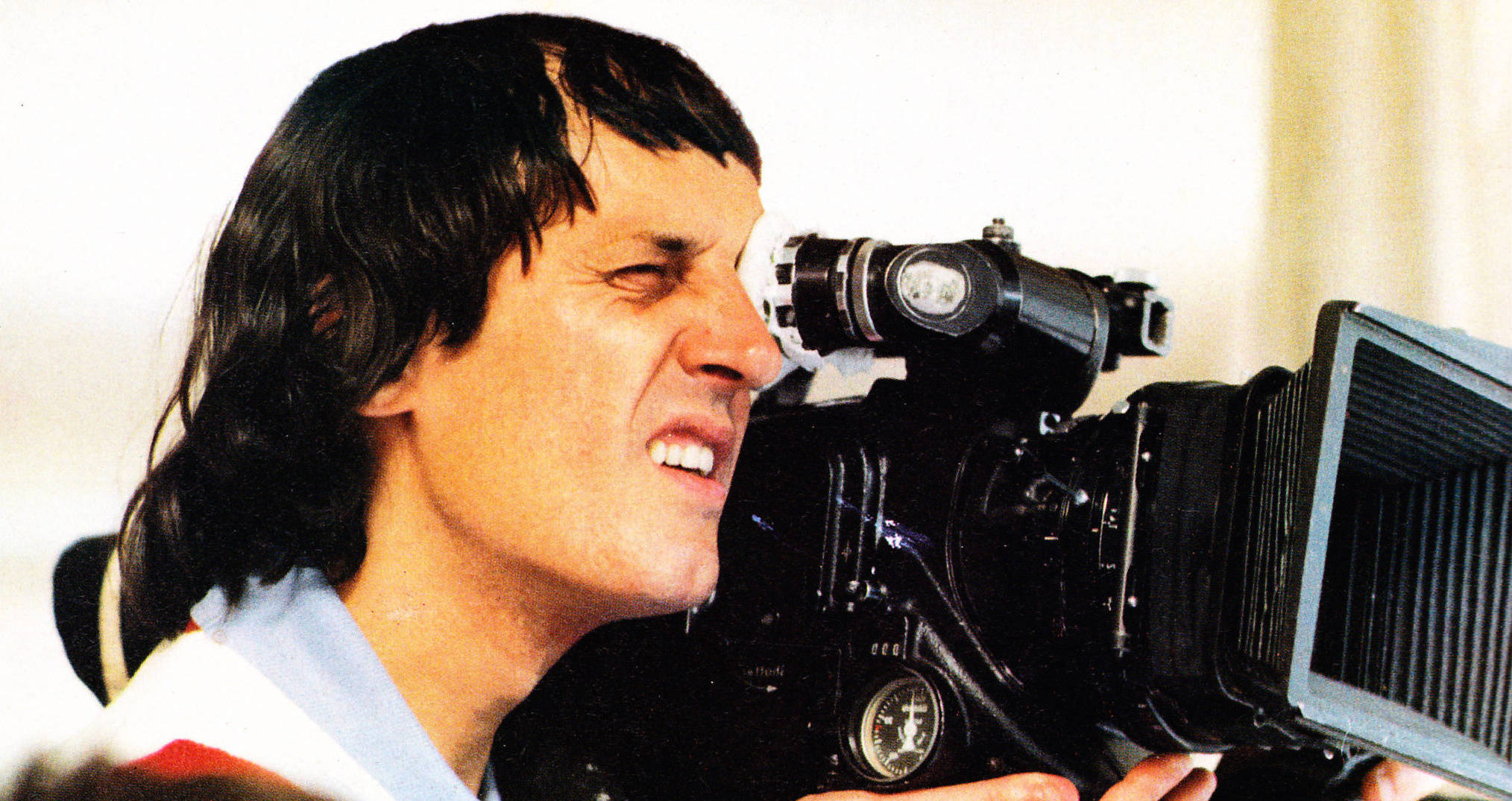
Dario Argento

Want to become an instant expert in our filmmaker of the month without committing yourself to an entire filmography? Then you need the Hell Is For Hyphenates Cheat Sheet: we program you a double that will not only make for a great evening's viewing, but bring you suitably up-to-speed before our next episode lands…
DA Films

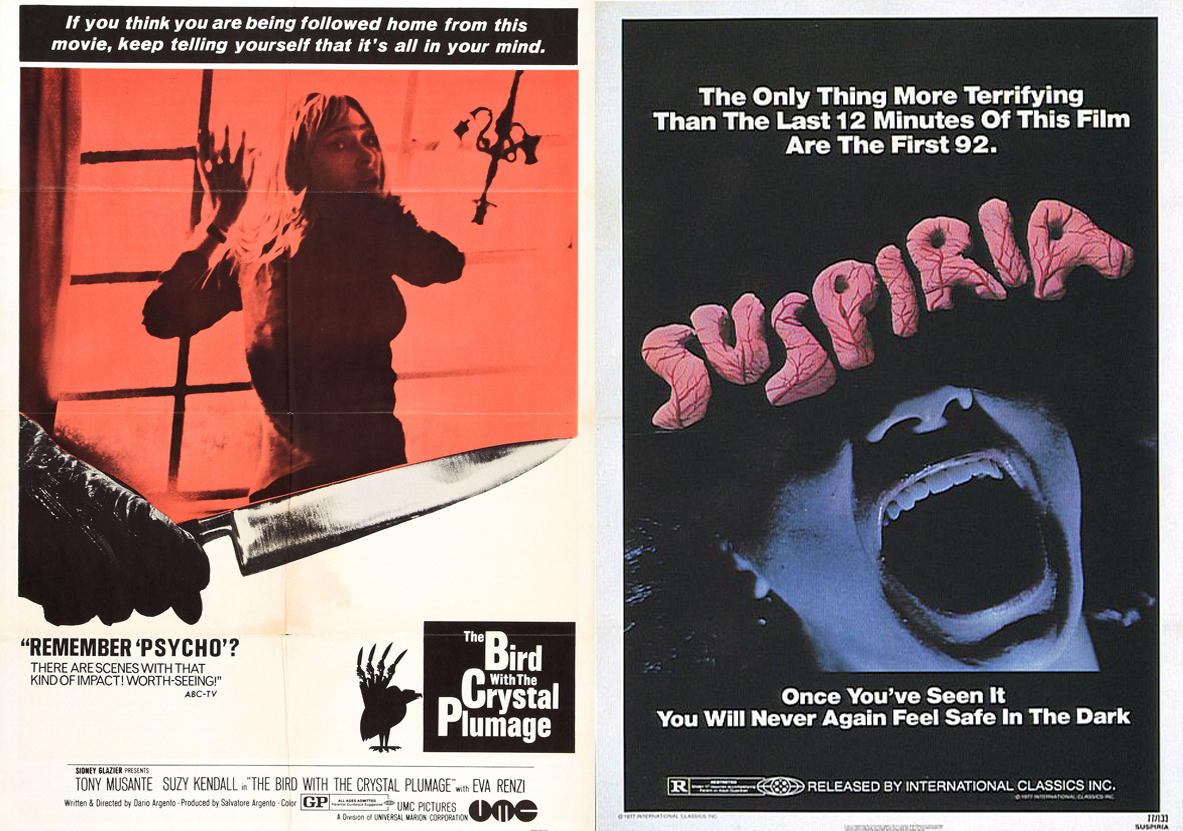
THE BIRD WITH THE CRYSTAL PLUMAGE (1970) and SUSPIRIA (1977)

To understand Dario Argento, there are two types of films you need to know about: his kaleidoscopic graphic novel-style horror, and his Hitchcock thriller pastiches. His first feature film, The Bird With the Crystal Plumage, is probably the best example of his Hitchcockian aspirations. Although his next film, 1971's The Cat O' Nine Tails would go all-out with the To Catch a Thief references, The Bird With the Crystal Plumage wears its influences on its sleeve, and probably the best synthesis of the filmmaker he wants to be with the filmmaker he is. Once you've watched that, your evening will go from great to greater as you put on the next film: 1977's Suspiria. Easily his best-known film, Suspiria abandons the Hitchcock riffing for a sensory supernatural horror experience that would become a mainstay of his filmography. These two films are the apogees of each approach, and will make for a seriously great evening of viewing.

Substitutions: If you can't get or have already seen The Bird with the Crystal Plumage, try 1975's Deep Red, starring 1970s icon David Hemmings. Like Plumage, it combines his bright red horror stylings with a whodunit mystery. If you can't get or have already seen Suspiria, try 1980's Inferno. It might not be amongst Argento's personal favourites works, but it is a total visual orgy that, like Suspiria, eschews Earthly culprits in favour of the supernatural.

The Hidden Gem: Want to watch something from off the beaten track? Check out 1973's The Five Days. You can pretty much thank this film for Argento's career: the historical comedy/drama performed so badly at the box office, he retreated to the somewhat ironic safety of horror. But let us suggest that it is actually a forgotten classic: at first, the story of a thief who accidentally becomes a revolutionary figurehead seems tonally muddled, but it really synthesises as it progresses, ending up as something really fun, really interesting, and not a million miles away from Sergio Leone's Duck You Sucker! (1971). This is one that's really worth checking out.

How to watch them in Australia: The Bird With the Crystal Plumage is available from most retail stores on DVD and Blu-ray via the Cinema Cult label. Suspiria is available to rent or buy on iTunes. Deep Red is available on Blu-ray for $10, or as part of a DVD set that includes Argento's Phenomena and Tenebre for only $7, both released via Umbrella Entertainment. Umbrella also released Suspiria on Blu-ray, but at time of writing its website claims it is out of stock. Neither Inferno or The Five Days appear to be available on any format in Australia, so you'll have to order those from overseas.

The next episode of Hell Is For Hyphenates, featuring Alexandra Heller-Nicholas talking Dario Argento, will be released on the morning of August 31 (AEST).

The Agnès Varda Cheat Sheet

Agnes Varda

Want to become an instant expert in our filmmaker of the month without committing yourself to an entire filmography? Then you need the Hell Is For Hyphenates Cheat Sheet: a double that will bring you totally up-to-speed before our next episode lands…

AV Films

CLEO FROM 5 TO 7 (1962) and THE BEACHES OF AGNÈS (2008)

After she made 1955's La Pointe-Courte, Agnès Varda spent much of the remaining decade making short films until her second - and perhaps her best-known -feature film: Cleo From 5 To 7. This is a real-time (or close-to-real-time) story that follows a successful singer as she waits for some medical results. Okay, so our description makes it sound dull as dishwater, but it's the exact opposite: absolutely stunning and funny and captivating. Cleo From 5 to 7 is truly inventive, and shows that Varda was doing things with camera movement and editing and narrative that was years ahead of her contemporaries. It's only 90 minutes, and you won't want it to end. So once you've watched that, throw on her 2008 documentary The Beaches of Agnès, which, as the title suggests, is all about herself and her work. It's almost a cheat sheet itself: Varda explores her own memories and films, narrating her life in a way that only the charismatic and entertaining Varda could pull off. For someone who has been working constantly for over half a century, and switching between fiction and documentary, these are the two amazing films that make you an Agnès Varda expert in one easy (and damn entertaining) sitting.

Substitutions: If you can't get or have already seen Cleo From 5 to 7, seek out Le Bonheur (1965). This gorgeous film follows a young French family, with Varda eliciting a huge amount of naturalism from the very young children by casting a real life family. If you can't get or have already seen The Beaches of Agnès, you should seek out The Gleaners & I (2000), the award-winning documentary in which Agnès explores the world of gleaners: the poor French citizens who search reaped fields for the occasional missed potato or turnip. Again, it's a hundred times better than it sounds. Our paltry descriptions will never match the heights of Varda's films.

The Hidden Gem: Want to seek out a lesser-known film from off the beaten track? Right in the centre of Varda's incredible career is the little-known but hilariously-titled Kung Fu Master (1988), based on an idea by the film's star Jane Birkin. This beautiful and funny film centres on a mother who becomes infatuated with a friend of her daughter, a young, precocious teenage boy. The boy is played by Varda's son Mathieu Demy, and Birkin's daughter is played by her real-life daughter, a very young Charlotte Gainbourg. This film is a true hidden gem; difficult to find, but so worth the effort. (As an aside, the story behind the making of this film is recounted within the brilliant 1988 documentary Jane B. for Agnes V., made simultaneously.)

The next episode of Hell Is For Hyphenates, featuring Philippa Hawker talking Agnès Varda, will be released on the morning of July 31 (AEST).

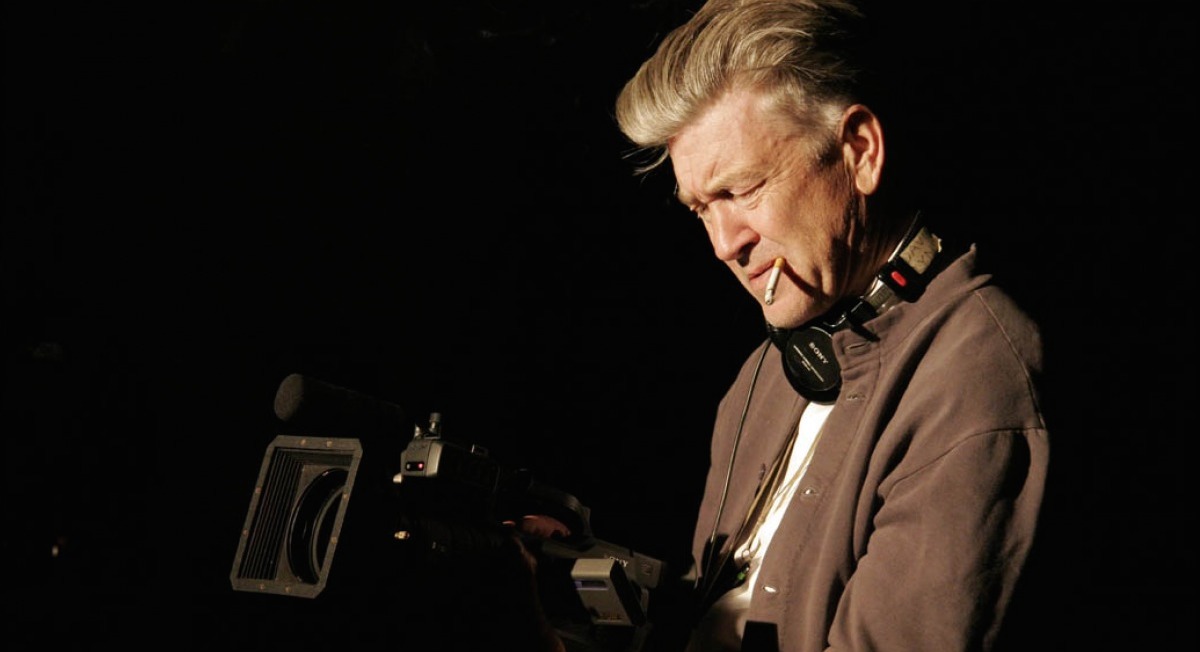
The David Lynch Cheat Sheet

David Lynch

Want to become an instant expert in our filmmaker of the month without committing yourself to an entire filmography? Then you need the Hell Is For Hyphenates Cheat Sheet: a double that will bring you totally up-to-speed before our next episode lands…

DL Films


ERASERHEAD (1977) and MULHOLLAND DR. (2001)

David Lynch is one of the great cinematic touchstones. He's somehow both incredibly niche and universally beloved, and that innate contradiction somehow feeds into his films, which are terrifying but not horrific, funny but never comedic, profound but never preachy. But if you've never quite understood the appeal, or have never known where to start, then you’ll want to clear an evening and program the following double. Your evening will kick off with Eraserhead, Lynch's first feature. This is one of the greatest debuts of all time: Lynch immediately created an evocative and unique world that's too weird to be the one we live in, but too familiar to be completely alien. It might seem off-puttingly strange at first to some, but Lynch is dealing with some very familiar emotions here. When you've finished that, jump forward to Mulholland Dr., one of the six or seven films that (along with Eraserhead) could be legitimately called his masterpiece. Mulholland is a tremendous work, and showcases not only his technical accomplishment, but also how brilliantly he works with actors. This is something we tend to forget due to the impossible aesthetics he uses, but Lynch creates potent characters and clearly knows how to get the best out of those who play them. An evening with these two films from either end of his career, and you'll get exactly why everyone adores him.

Substitutions: If you can't get or have already seen Eraserhead, seek out Blue Velvet (1986). This is as big a statement of intent as his first film, a terrifying noir that reveals the darkness of small town suburbia in unique Lynchian style. If you can't get or have already seen Mulholland Dr., his brilliant Lost Highway (1997) will chill you to your bone. In the best way possible, of course.

The Hidden Gem: Want to watch something off the beaten track? Well, The Straight Story (1999) would, in anyone else's filmography, be a fairly “normal” entry. But Lynch's career is an inversion if ever there was one, and this master of sex, violence and terror somehow made a G-rated film for Disney that was as highly regarded as anything else in his oeuvre. This true story of a elderly man travelling three hundred miles on a ride-on mower to visit his estranged brother is beautiful, gentle, and unmistakably Lynchian.

The next episode of Hell Is For Hyphenates, featuring Thomas Caldwell talking David Lynch, will be released on the morning of June 30 (AEST).

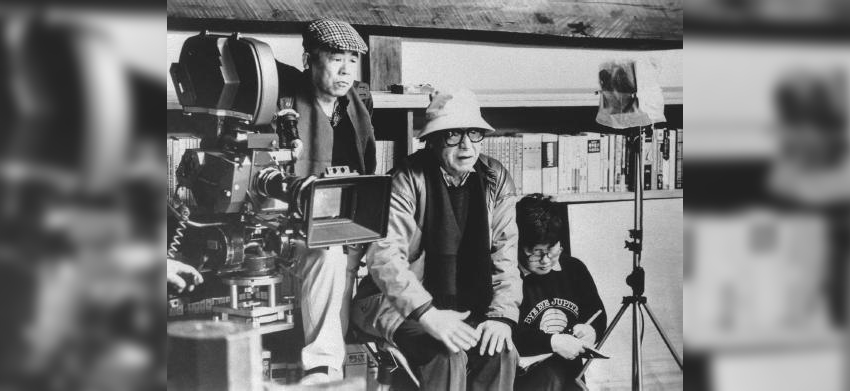
The Masaki Kobayashi Cheat Sheet

Masaki Kobayashi Wide

Want to become an instant expert in our filmmaker of the month without committing yourself to an entire filmography? Then you need the Hell Is For Hyphenates Cheat Sheet: a double that will bring you totally up to speed before our next episode lands…

MK Films

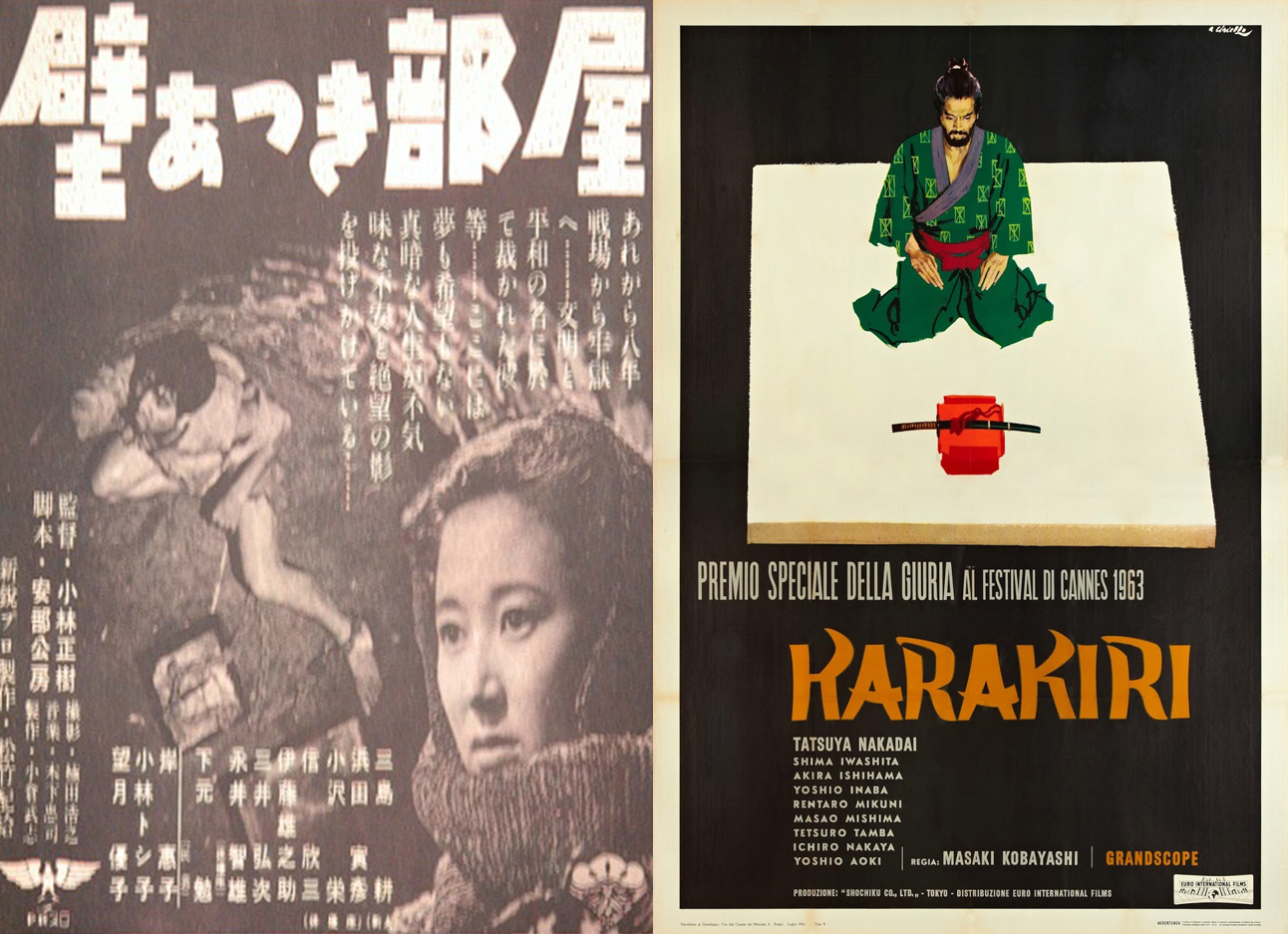
THE THICK-WALLED ROOM (1956) and HARAKIRI (1962)

If you want to know what Kobayashi is all about, you can't go wrong with this double. The Thick-Walled Room is a story about imprisoned former soldiers in post-war Japan, jailed for crimes against humanity. It was ready for release in 1953, but was deemed too inflammatory, and sat on the shelf for three years. Inflammatory is an understatement. Kobayashi and writer Kôbô Abe don't hold back in their criticisms of Japan and the Allied Forces, and the crimes that take place when desperate men are in combat. But it's the emotional journey of the central characters that keeps us engaged, and Kobayashi's incredible use of metaphor and surrealism. Then, follow it up with Harakiri, the tale of a samurai who appears at the estate of a large clan requesting the opportunity to commit seppuku in their courtyard. But the country is full of ronin who have made similar requests as a bluff in order to extract money or employment from sympathetic clans, and this group isn't having it: if he wants to kill himself, they're going to make sure he follows through. What follows is an extraordinarily tense battle of wits between the ragged samurai warrior (an all-time performance by Kobayashi's most frequent collaborator Tatsuya Nakadei) and the clan's senior counsellor (an amazing and memorable turn from Rentarō Mukini). Our guest Mark Protosevich described Harakiri as one of his top ten favourite films of all time, and you won't be hard-pressed to see why.

Substitutions: If you can't get or have already seen The Thick-Walled Room, try Kwaidan (1964), Kobayashi's award-winning ghost story anthology that Roger Ebert described as “among the most beautiful films I've ever seen”. If you can't get or have already seen Harakiri, swap in Samurai Rebellion (1967), a film about the futility of honour in feudal Japan, and the only time Kobayashi worked with the great Toshiro Mifune.

The Hidden Gem: Want to watch something a little off the beaten track? Well, we're not sure if The Human Condition necessarily qualifies. In The Story of Cinema, British film critic David Shipman called it “unquestionably the greatest film ever made”, and in the New York Times, AO Scott said that the film “can clarify and enrich your understanding of what it is to be alive”. So it's hardly obscure, but we put it here because it has a total running time of about ten hours, and thus earns its place as a wildcard entry. (Although it's considered a single work, it is most commonly released as three distinct films, with an intermission breaking them into manageable 90 minute chapters.) The Human Condition is the story of Kaji, a pacifist who must deal with Japan’s oppressive war machine at the break-out of World War Two. The events closely echo Kobayashi's own story, both in terms of his stringent beliefs and his experiences in the war. This one is absolutely worth your time, and given its ten hour length, we don’t say that lightly.

The next episode of Hell Is For Hyphenates, featuring Mark Protosevich talking Masaki Kobayashi, will be released on the morning of May 31 (AEST).

The Jane Campion Cheat Sheet

Jane Campion

Want to become an instant expert in our filmmaker of the month without committing yourself to an entire filmography? Then you need the Hell Is For Hyphenates Cheat Sheet: a double that will bring you totally up-to-speed before our next episode lands…

JC Films

THE PIANO (1993) and BRIGHT STAR (2009)

Campion was already well known for Sweetie and An Angel At My Table, but it was The Piano that really put her on the map. A critical and commercial success, it won three Academy Awards (Best Actress, Best Supporting Actress and Best Original Screenplay), and earned $140 million worldwide, a figure that was even more extraordinary in 1993 than it is now. But all that money and those awards are just window dressing: the real reason you need to watch The Piano is that it is still a stunning masterpiece, from its rich, analogous script to its sweeping cinematography. 22 years on, it's every bit as powerful as it was on its release. Maybe even more so. You'll want to follow that up with a viewing of Bright Star, Campion's 2009 film about the romance between Fanny Brawne and poet John Keats. On the surface, it looks a lot like The Piano: a period film in which passionate people struggle to convey that passion through the performance and appreciation of art. But underneath those superficial similarities, Bright Star is an entirely different work, deliberately restrained and distant. Watch these two back-to-back to see how an auteur such as Campion can take two strikingly similar outlines and create two entirely distinct and almost antithetical works.

Substitutions: If you can't get or have already seen The Piano, swap it out for Campion's debut feature Sweetie (1989). If can't get or have already seen Bright Star, check out The Portrait of a Lady (1996), her Henry James adaptation starring Nicole Kidman, John Malkovich and Barbara Hershey.

The Hidden Gem: Want to seek out something from off the beaten track? Try Campion's controversial film In The Cut (2003), with Meg Ryan, Mark Ruffalo and Jennifer Jason Leigh, a dark and surprisingly existential thriller about a woman who may possibly have encountered a serial killer.

The next episode of Hell Is For Hyphenates, featuring Sophie Hyde talking Jane Campion, will be released on the morning of April 30 (AEST).

The Nicole Holofcener Cheat Sheet

Nicole Holofcener

Want to become an instant expert in our filmmaker of the month without committing yourself to an entire filmography? Then you need the Hell Is For Hyphenates Cheat Sheet: a double that will bring you totally up-to-speed before our next episode lands…

NH Films

WALKING AND TALKING (1996) and ENOUGH SAID (2013)

Nicole Holofcener's only made five films, and frankly, they're all great and worthy of being singled out. But if you're only going to watch two, we recommend her first and last. (Well, not her last. Her most recent. But “first and most recent” doesn't have the same ring to it.) Kick off your evening with 1996's Walking and Talking, starring Catherine Keener and Anne Heche as lifelong friends dealing with polar opposite relationship issues. Yeah, it doesn't sound great, and most of that is down to our description, but as with all of Holofcener's films it's the execution that elevates it above every other film of similar ilk. Similarly, Enough Said (with Julia Louis-Dreyfus and James Gandolfini) takes a tired concept - two divorcees getting a second chance at etc - and turns it into a profound look at how we react to the new vs the familiar. Both are very funny and incredibly complex and make for a superb double feature.

Substitutions: If you can't get/have already seen Walking and Talking, you can swap it out for the similarly-ampersanded Lovely & Amazing (2001). If can't get/have already seen Enough Said, grab Please Give (2010) with Catherine Keener, Oliver Platt, Rebecca Hall and Amanda Peet.

The Hidden Gem: Want to seek out something from off the beaten track? Well, Holofcener doesn't really have an off-the-beaten track film. But the only one we haven't mentioned yet is Friends With Money (2006), her incredible ensemble work that takes the “first world problem” meme and turns it on its head three years before it happened.

The next episode of Hell Is For Hyphenates, featuring Pollyanna McIntosh talking Nicole Holofcener, will be released on the morning of March 31 (AEST).

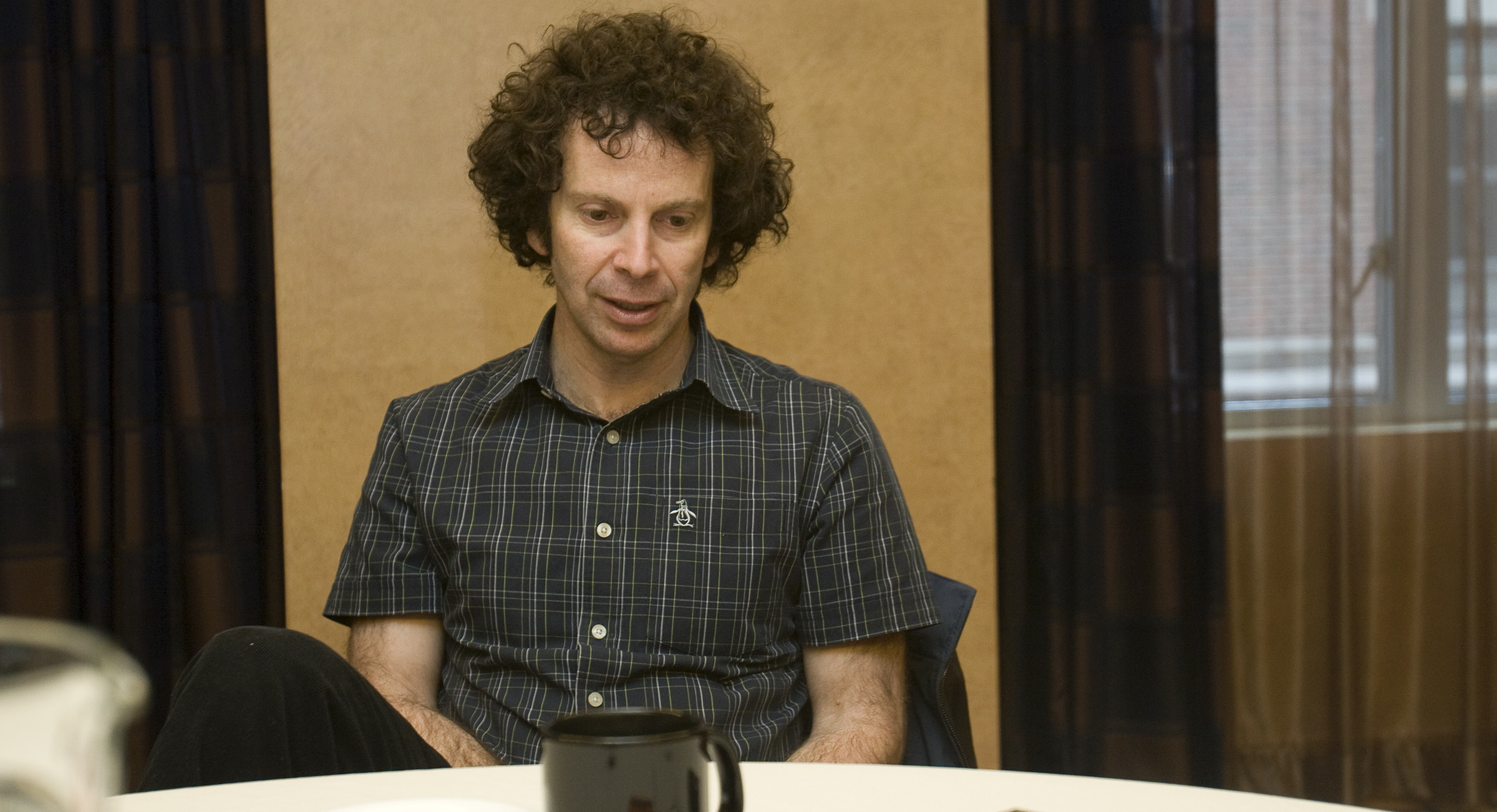
The Charlie Kaufman Cheat Sheet

Charlie Kaufman

Want to be knowledgable about our filmmaker of the month without committing yourself to an entire filmography? Then you need the Hell Is For Hyphenates Cheat Sheet: a recommended double that will make you an insta-expert in the director we're about to discuss…

CK Films

BEING JOHN MALKOVICH (1999) and SYNECDOCHE, NEW YORK (2008)

Okay, given our cheat sheets usually comprise of two films, two substitutions and a hidden gem, it kind of limits our options here. But even if Kaufman had made a hundred films, we'd still have no choice but to recommend these two. Being John Malkovich is still the first film most people think of when you mention Kaufman: the high-concept meta comedy/drama/fantasy/everything did not for a second rest on the laurels of an albeit compelling hook. When a puppeteer discovers a secret portal that allows him to possess the body of character actor John Malkovich (playing himself), he becomes enamoured by all the possibilities this offers. Kaufman explores every single facet of this idea, anticipating every question you could possible have when coming out of the theatre - “What happens if two people through the portal at once?” “What happens if Malkovich himself goes through the portal?” “What would happen if he was friends with Charlie Sheen?” - and sees them through in a way that is both inevitable and completely unexpected. It's a hell of a debut. You'll want to pair that double with Synecdoche, New York, Kaufman’s directorial debut. This is a film way, way ahead of its time, exploring questions of existentialism in a way that would make Kierkegaard and Jean-Paul Satre bury their faces in the popcorn. When a theatre director is given a fellowship to pursue any artistic endeavour he chooses, he collects a group of actors to live out their lives within a warehouse, gradually and increasingly building a scale model of the city that lies outside the warehouse doors. And that doesn't begin to scrape the surface of what this film is. Spend an evening watching these films back-to-back, and you'll be able to talk Charlie Kaufman with the best of them.

Substitutions: If you can't get or are already familiar with Being John Malkovich, check out the equally-meta Adaptation (2002) which actually begins with Charlie Kaufman (Nicolas Cage) on the set of his first film, Being John Malkovich. If you can't get Synecdoche, New York, seek out Eternal Sunshine of the Spotless Mind (2004), the stunning, pitch-perfect film about how we deal with love and pain and memory.

The Hidden Gem: Want to seek out something from off the beaten track? Well, with Kaufman, everything is off the beaten track. But the least-known of all of his films is certainly Human Nature, the 2001 film that marked the first collaboration between Kaufman and his future Eternal Sunshine director Michael Gondry. It's not really as beloved as it should be, due to all of Kaufman's other films being hailed as all-time cinematic classics. But remove the burden of that benchmark and you'll find a damn funny film that's well worth the time.

The next episode of Hell Is For Hyphenates, featuring Desiree Akhavan talking Charlie Kaufman, will be released on the morning of February 28 (AEST).

The Vincente Minnelli Cheat Sheet

Vincente Minnelli

Want to be knowledgeable about our filmmaker of the month without committing yourself to an entire filmography? Then you need the Hell Is For Hyphenates Cheat Sheet: a suggested double that will make you an insta-expert in the director we're about to discuss…

VM Films

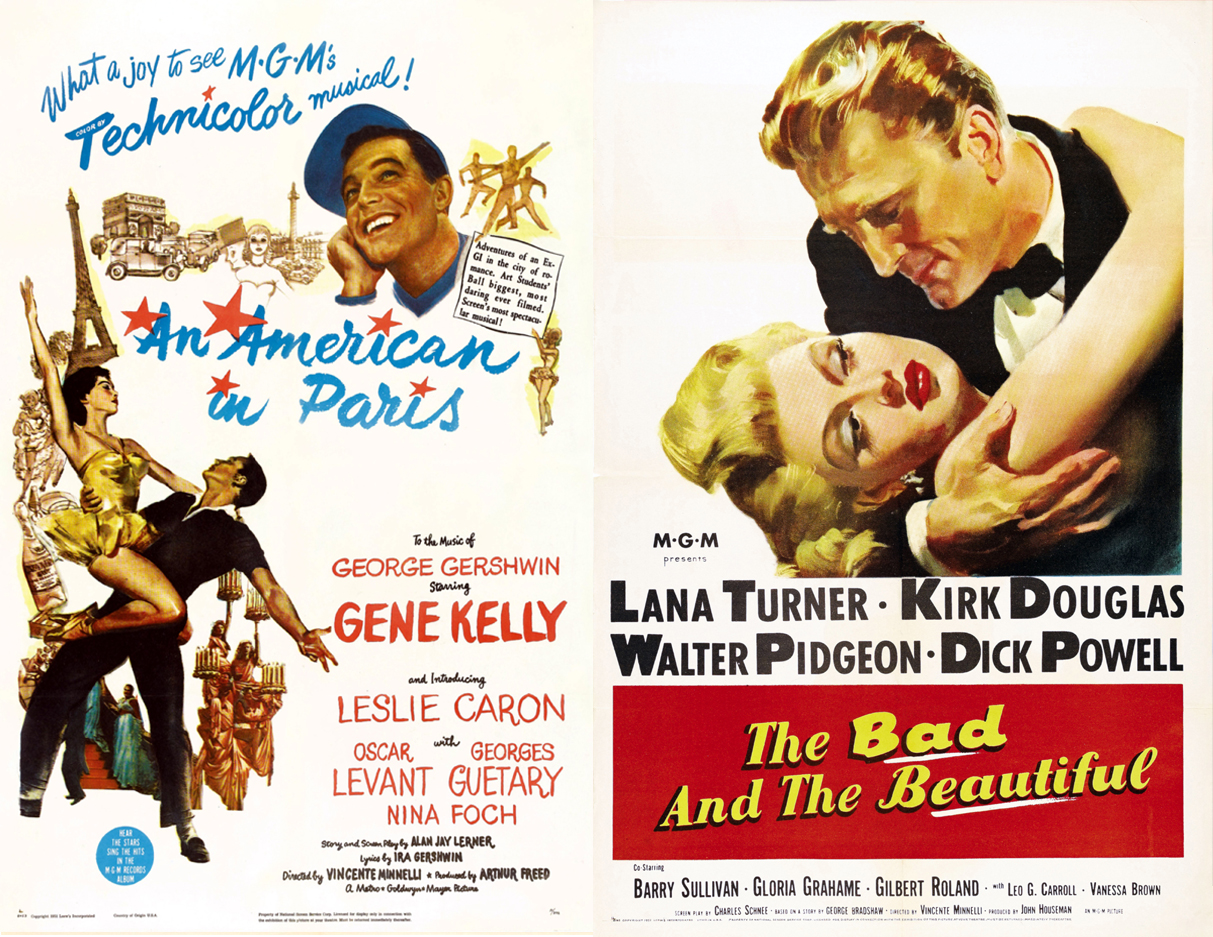
AN AMERICAN IN PARIS (1951) and THE BAD AND THE BEAUTIFUL (1952)

Vincente Minnelli was one of the great filmmakers of Hollywood's Golden Age, and few could match him when it came to those glorious Technicolor (and sometimes Metrocolor, but that format is not as fondly remembered) musicals. One of the greatest of all time was An American In Paris, starring Gene Kelly and Leslie Caron (in her first ever role) in one of the most beautiful, creatively-ingenious musicals ever made. It's stunning, but also tremendously funny: watch Oscar Levant's face when he realises his two friends, sitting either side of him in a café, are both obliviously professing their love for the same woman. There aren't many directors other than Minnelli who could balance all these elements so perfectly, manipulating the audience into enjoying these scene on many different levels simultaneously. And that's probably why he was able to switch genres without missing a step, because the following year he came out with one of the best-regarded dramas of all time: The Bad and the Beautiful. He may be remembered primarily as a director of musicals, but Minnelli was equally adept at everything from thrillers to dramas to all-out comedies. With The Bad and the Beautiful, he told a ruthless tale of Hollywood's seedy side: a director, a writer and a movie star recall the ways in which producer Jonathan Shields managed to totally screw them over, as money and power blinds all it touches to the loyalty and friendship they'd once professed. Few films better show what a master of the craft Minnelli was: the betrayals are handled with gentility and humanity, almost forcing you sympathise with the amoral Shields, and on a technical level, Minnelli was untouchable: the car crash sequence in this film is, without a doubt, decades ahead of its time. Spend an evening in watching these films back-to-back, and you'll be well-versed as to why Vincente Minnelli was one of cinema's greats.

Substitutions: If you can't get An American In Paris, try the classic Judy Garland musical Meet Me In St Louis (1944). If you can't get The Bad and the Beautiful, try Minnelli’s other Kirk Douglas film about betrayal and movie making, Two Weeks In Another Town (1962).

The Hidden Gem 1: If you're keen to seek out one of Minnelli's slightly-lesser-known works, get yourself a copy of Some Came Running (1958). Frank Sinatra, Dean Martin and Shirley MacLaine star in a drama about a soldier returning to his home town for the first time in years, desperate to avoid those who want to question him about his promising-but-abandoned career as an author. It's a brilliant and dirty film, and despite Minnelli's previously fraught relationship with Cinemascope, he uses the format here to incredible, memorable effect.

The Hidden Gem 2: So, we're doing two Hidden Gems, partly because Minnelli made so many great films, partly because we couldn't decide whether to include a drama or a musical, and partly because we make the damn rules. So if you're not adverse to musicals, you need to seek out Judy Holliday and Dean Martin in Bells Are Ringing (1960). Written by the brilliant Betty Comden & Adolph Green (Singin' in the Rain), it's baffling how this has slipped from the collective memory. Maybe it's because the songs - though very catchy and fun - are not really all-time classics. But it doesn't matter. This is arguably the funniest film in Minnelli's canon, with Judy Holliday giving the sort of hilarious performance you'd expect to see today, possibly as the star of her own network sitcom. If you want to irritate your friends with endless proclamations about why Judy Holliday was one of cinema's all-time great comics, you need to see this film.

The next episode of Hell Is For Hyphenates, featuring Jess Lomas talking Vincente MInnelli, will be released on the morning of January 31 (AEST).

The Gregg Araki Cheat Sheet

Gregg ArakiWant to be knowledgeable about our filmmaker of the month without committing yourself to an entire filmography? Then you need the Hell Is For Hyphenates Cheat Sheet: a suggested double that will make you an insta-expert in the director we're about to discuss…

GA Films

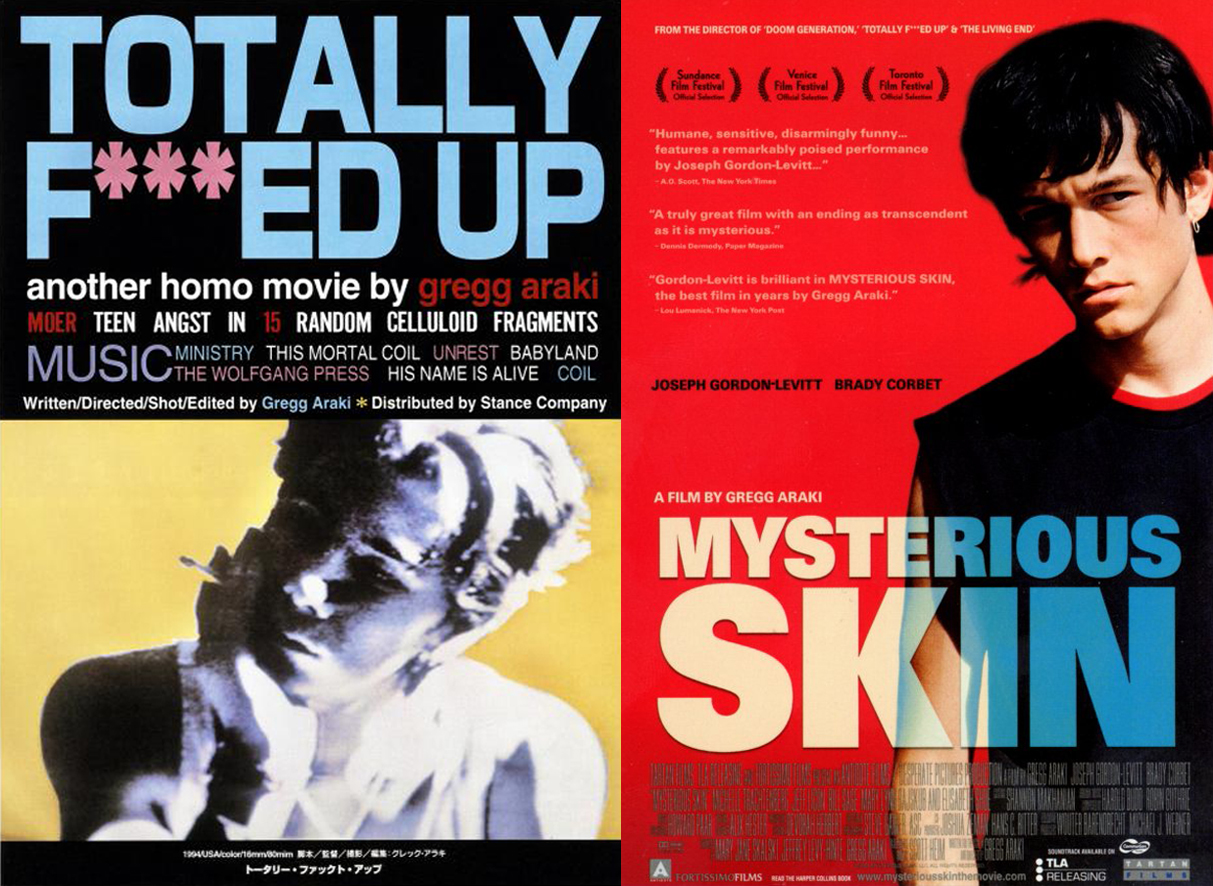
TOTALLY F***ED UP (1993) and MYSTERIOUS SKIN (2004)

Gregg Araki was one of the biggest names in the New Queer Cinema movement, and of his early films, Totally F***ed Up is probably the best example of this. The first part of Araki's thematic Teenage Apocalypse Trilogy is angsty and lighthearted, dramatic and hilarious. It's stylish but also very genuine, and has a potent MTV aesthetic that makes it feel very, very 1993. And we mean that in a good way. After that, give Mysterious Skin a spin. This is not particularly emblematic of his work, but it's key to understanding Araki as a filmmaker, and features him at the height of his talents. Joseph Gordon-Levitt plays a teenage hustler, unable to shake off the memories of a childhood trauma. It's full-on yet brilliant, and is career-defining stuff from Araki as well as his cast. It simply must be seen.

Substitutions: If you can't get Totally F***ed Up, try The Doom Generation (1995). If you can't get Mysterious Skin, try Kaboom (2010).

The Hidden Gem: We like to recommend a film that's off the beaten path, but that term applies to nearly everything Araki made. Nevertheless, you should try for Splendor (1999), his polygamous romantic comedy that is equal parts parody and sincerity.

The next episode of Hell Is For Hyphenates, featuring Richard Watts talking Gregg Araki, will be released on the morning of December 31 (AEST).

The John Hough Cheat Sheet

John Hough

Want to be knowledgeable about our filmmaker of the month without committing yourself to an entire filmography? Then you need the Hell Is For Hyphenates Cheat Sheet: a suggested double that will make you an insta-expert in the director we're about to discuss…

JH Films

THE LEGEND OF HELL HOUSE (1973) and DIRTY MARY CRAZY LARRY (1974)

Normally, when we recommend two films in our Cheat Sheet, they're films that are not only great watches, but represent the filmmaker's entire body of work. But how do you represent John Hough's work? This is a guy who did Hammer Horror, war thrillers and Barbara Cartland TV movies. There's no easy pair of films that can sum all that up. So this time, we're going to simply suggest two of his best films. The Legend of Hell House is a tremendous horror, with great performances, terrific sound design, and superb direction. If you've been wondering why our guest Mark Hartley has picked Hough, the work he does in The Legend of Hell House will put that question to rest. But even better than that is his next film, Dirty Mary Crazy Larry, a wild thieves-evading-cops road movie with Peter Fonda, Susan George and Vic Morrow. It boasts a brilliant script, and Hough's direction is insane in all the best ways. Both of these films are a tight ninety minutes, and don't waste a nanosecond. If you want to watch a pair of great genre films this weekend, you couldn't do much better than these two.

Substitutions: If you can't get The Legend of Hell House, try the Hammer horror Twins of Evil (1971). If you can't get Dirty Mary Crazy Larry, try the assassination thriller Eyewitness (aka Sudden Terror) (1970).

The Hidden Gem: We always strive to recommend an off-the-beaten-path work from our filmmaker of the month, but pretty much everything Hough qualifies as off-the-beaten-path. Still, if you want a schlocky, supernatural horror flick starring John freakin’ Cassavetes, you might want to seek out 1982’s Incubus, even if just to see one of New Hollywood’s most compelling actors say the word “sperm” several hundred times in the most serious manner possible.

The next episode of Hell Is For Hyphenates, featuring Mark Hartley talking John Hough, will be released on the morning of November 30 (AEST).