Author Archives: The Hyphenates

Westwood On Polanski

It was over a year ago when we first asked Emma if she'd like to join us on Hell Is For Hyphenates. She was interested, and immediately flagged Polanski as her filmmaker of choice. After that it was simply a matter of finding a time when our schedules aligned.

What a difference a year makes. It's not like Polanski was a less controversial figure in 2016, but the conversation around abusers in the film industry has certainly changed. 2017 will be remembered as the year of #MeToo, and we've already seen a few of the biggest names in cinema experience swift and immediate ostracism after allegations of wrongdoing surfaced.

Did this mean it was the worst time to talk about the films of Roman Polanski, or the best? Ours is a show that enthusiastically embraces auteur theory, approaching film through the prism of the author (who is often, but not always, the director). The whole point of Hyphenates is to celebrate the artists that we discuss… could we still do that?

We do our best to answer that question in the show. Our middle segment is entirely devoted to the question of whether we can separate the art from the artist, a concept that has been memed into parody, but is clearly an important issue that we're yet to collectively come to grips with.

And hey, we also talk about the actual films a bit too. Whether we struck the right tone of not will be in the eye of the beholder - or the ear of the belistener - so leave a comment or get in touch with your own thoughts. Either way, we do look at an undeniably impressive body of work, one that includes all-timers such as Rosemary's Baby, Chinatown and The Pianist. There is more than one canonised classic in this oeuvre, and there's plenty of gold there to be unearthed.

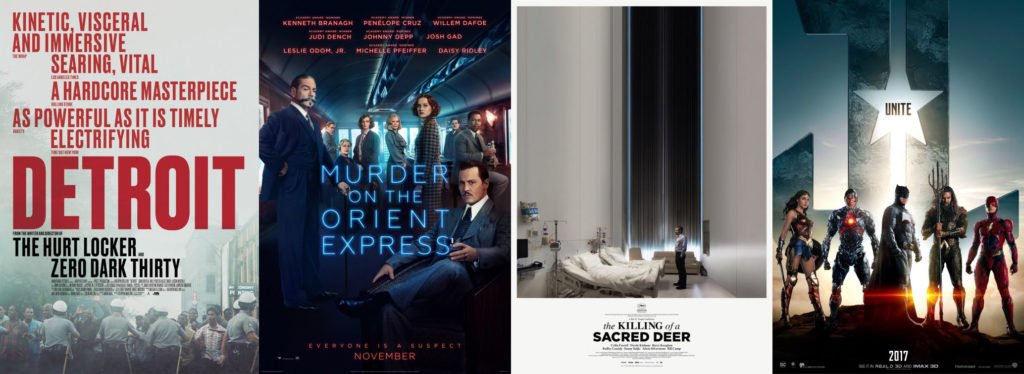
We also find time amongst all that to look back at some of the new releases of this month. So if you've seen, or if you plan to see, Kathryn Bigelow's historical thriller Detroit, Kenneth Branagh’s Agatha Christie adaptation Murder on the Orient Express, Yorgos Lanthimos’s modern Greek tragedy The Killing of a Sacred Deer, or DC superhero team-up Justice League, you'll find even more in this episode with which to agree or disagree.
Further reading:

  • Detroit is Kathryn Bigelow’s first film since Zero Dark Thirty. To hear us talk about her films in more depth, listen back to our Bigelow show from December 2013.
  • Broken by the New York Times, and then in this New Yorker piece by Ronan Farrow. Farrow has written subsequent articles about Harvey Weinstein, which can be read here.
  • We also refer to other recent controversies in the show, and you can read about the allegations against Louis CK here in the New York Times, and the initial Kevin Spacey accusation that opened the floodgates here on BuzzFeed.
  • There was a very interesting Twitter thread from Moon director Duncan Jones. Kevin Spacey appears in Moon, and Jones discusses why he is reluctant to distance himself from the film as a whole in this chat.
  • There was a fascinating interview with Jerry Seinfeld on The Late Show with Stephen Colbert. Seinfeld and Colbert discuss whether they can still listen to Bill Cosby's old stand-up routines, and it's definitely worth watching both parts, as Seinfeld appears to have had a revelation in the commercial break. Watch the first segment here, and the second segment here.
  • There's some great analysis from Sarah Lyall and Dave Itzkoff writing for the New York Times. Their piece “Charlie Rose, Louis CK, Kevin Spacey: Rebuked. Now What Do We Do With Their Work?” can be read here.
  • Arguably the best piece written on the subject of art-from-the-artist is “What Do We Do With the Art of Monstrous Men?” by Claire Dederer writing in The Paris Review. If you only read one piece, make it this one.
  • If you have a spare hour, watch legendary Australian broadcaster Clive James talking to Roman Polanski back in 1983. This one hour documentary, recorded after Polanski's self-imposed European exile, is definitely worth a watch.
  • Emma mentions Karina Longworth's popular You Must Remember This She covered Roman Polanski, Sharon Tate and Charles Manson back in 2015 in a series of 12 shows that begun with this one.
  • In her blog It’s Better in the Dark, Rochelle discusses what it was like to engage with Polanski’s works in preparation for this episode. Read it here!
  • On her website The Westwood Digest, Emma blogs about preparing for and recording this episode. Read it here!
  • Roman Polanski is, of course, of French Polish descent. If you're unfamiliar with how to use French polish, check out this handy DIY video from Woodworkers Journal.

Special thanks to Stephen Baker for his help with the recording.

Outro music: score from Chinatown (1974), composed by Jerry Goldsmith

The latest episode of Hell Is For Hyphenates, featuring Emma Westwood talking the films of Roman Polanski, can be heard on Stitcher Smart Radio, subscribed to on iTunes, or downloaded/streamed directly from our website.

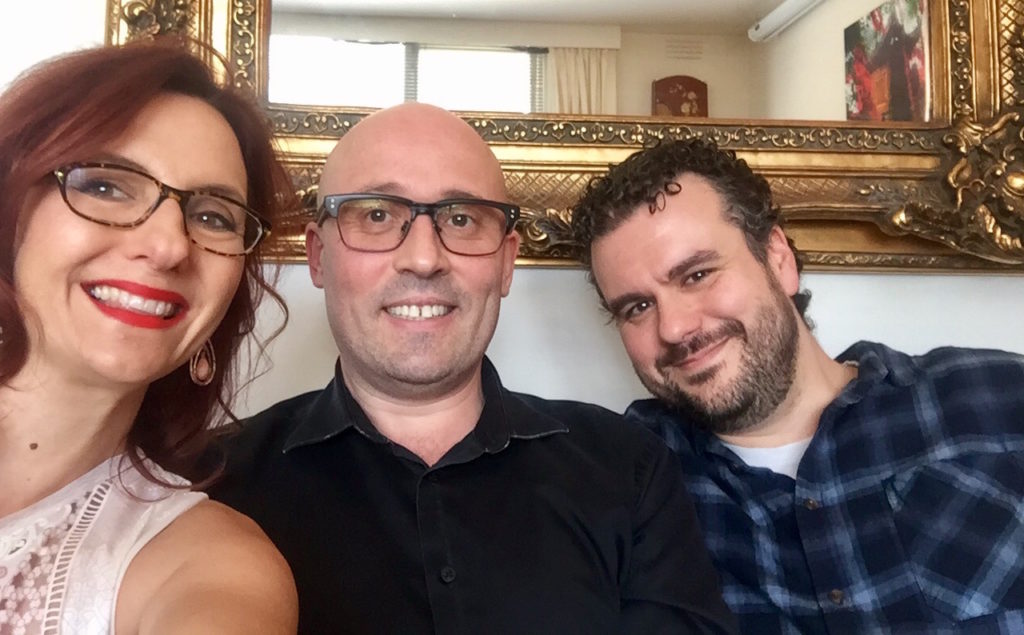
Lee, Emma and Rochelle record this month’s show. Or, rather, pose for selfies immediately after recording this month’s show.

Hell Is For Hyphenates – November 2017

Emma Westwood joins us to talk the films of Roman Polanski!

Author, journalist and film historian Emma Westwood is our guest this month, joining Rochelle and Lee to talk about some of the key films of November, including Kathryn Bigelow’s historical thriller Detroit (01:20), Kenneth Branagh’s Agatha Christie adaptation Murder on the Orient Express (05:26), Yorgos Lanthimos’s modern Greek tragedy The Killing of a Sacred Deer (08:05), and DC superhero team-up Justice League (13:20).

Then, in the wake of 2017’s massive revelations about sexual assault and harassment in the film industry, Emma, Rochelle and Lee discuss whether it is actually possible to separate the art from the artist, and whether it is permissible to enjoy the product of makers who turn out to be monsters (16:14).

Emma then introduces us to her filmmaker of the month, the French-Polish director Roman Polanski (28:46). From his early years in western Europe making short films and black-and-white features like Knife in the Water (1962), Repulsion (1965) and Cul-De-Sac (1966), Polanski soon found himself snapped up by Hollywood, where he made the game-changing horror Rosemary’s Baby (1968) and the classic film noir Chinatown (1974). After Chinatown, he famously and controversially fled the US, returning to Europe where he continued to direct. His subsequent films included titles such as Tess (1979), Frantic (1988), Bitter Moon (1992), The Pianist (2002), Carnage (2011) and more. Few filmmakers are as controversial or divisive as Polanski, and in addition to discussing the films themselves, we also examine how his personal life influenced his work, and how it influences our engagement with it.

The Roman Polanski Cheat Sheet

Want to become an instant expert in our filmmaker of the month without committing yourself to an entire filmography? Then you need the Hell Is For Hyphenates Cheat Sheet: we program you a double feature that will not only make for a great evening's viewing, but will bring you suitably up-to-speed before our next episode lands…

ROSEMARY'S BABY (1968) and THE PIANIST(2002)

We demand autobiography from auteurs. As soon as we grant adjective status to an artist - Hitchcockian, Bergmanesque, Spielbergy - we begin combing obsessively through their work in order to cunningly infer insight into their personal lives. Few filmmakers have met this requirement as forcefully as Roman Polanski. His horror film Rosemary's Baby is either an all-time classic or an embarrassing clunker depending on who you ask, with the film dividing cinephiles like few other canonised works. The story of a pregnant woman who comes to believe that she is the subject of occultist manipulations made s aplsh on its release, but took on a whole new meaning when, the following year, Polanski's pregnant wife Sharon Tate was murdered by the Manson Family cult. Once you've watched that, continue your evening of biographical tourism with The Pianist, Polanski's 2002 Holocaust drama. Although it is a biography of Polish-Jewish pianist Władysław Szpilman, it is set in a time and place that Polanski himself experience as a child, and so there is a palpable verisimilitude to the aesthetics and detail and drama. Details from Polanski's childhood colour the film, details from his life repurposed and merged with Szpilman's. Both Rosemary's Baby and The Pianist are two essential stories, not just because they adaptively relate key parts of Polanski's life, but because they are enduring works in their own rite that bookend a career, presenting the filmmaker he was in the 20th century, and the one he became in the 21st.

Substitutions: If you can't get or have already seen Rosemary's Baby, check out Chinatown (1974). Arguably the best film in his canon, Chinatown is an enduring exemplar of the gumshoe genre, grittier and darker than its Hayes Code-curbed antecedents could ever afford to be. If you can't get or have already seen The Pianist, check out Carnage (2011). Latter-day Polanski has displayed a repeated interest in adapting single-location stageplays to the screen, irising in on the human drama of people bottled in a confined space. Carnage is arguably the best of the lot, as two couples (Jodie Foster & John C Reilly and Kate Winslet & Christoph Waltz) poke and prod at one another over the course of an afternoon.

The Hidden Gem: Want to see something off the beaten path, a title rarely mentioned when people talk about the films of Roman Polanski? Then you should seek out Knife in the Water (1962). It's strange to suggest a renowned filmmaker's debut film is somehow “hidden”, but with so much of the conversation around Polanski's filmography beginning with his arrival in the United States, the early work is often pushed to the background. His first feature, shot on location in Poland, tells the story of a wealthy couple who invite a hitchhiker to join them on their yacht. Tensions, as they often do, escalate. It's a remarkable entrance, skilled and confident, and leaves little doubt as to why his career took off with such sudden force.

The next episode of Hell Is For Hyphenates, featuring Emma Westwood talking the films of Roman Polanski, will be released on 30 November 2017.

Our Next Hyphenate Emma Westwood

Author, critic and Hi4H November 2017 guest host Emma Westwood

Get off the edge of your collective seat, because we're ready to announce our next guest! This month we will be joined by Melbourne writer, journalist, film historian and screenwriter Emma Westwood.

Emma's enjoyed a rich and varied career in the arts, writing for outlets such as Empire, Fangoria, FilmInk, Senses of Cinema, Metro, and many others. She was the arts editor for street press publication The Music (formerly Inpress), she penned a weekly performing arts column for The Age, and she worked as researcher on the ABC's arts panel show Vulture.

Her first book, Monster Movies, was published by Pocket Essentials in 2008, and her second, all about David Cronenberg's The Fly, is due out this month from Columbia University Press. She is one of the founders of Bakewood, and you've probably heard her on the Triple R film show Plato's Cave alongside numerous other Hi4H alumni.

So which filmmaker has Emma chosen to talk with us about?

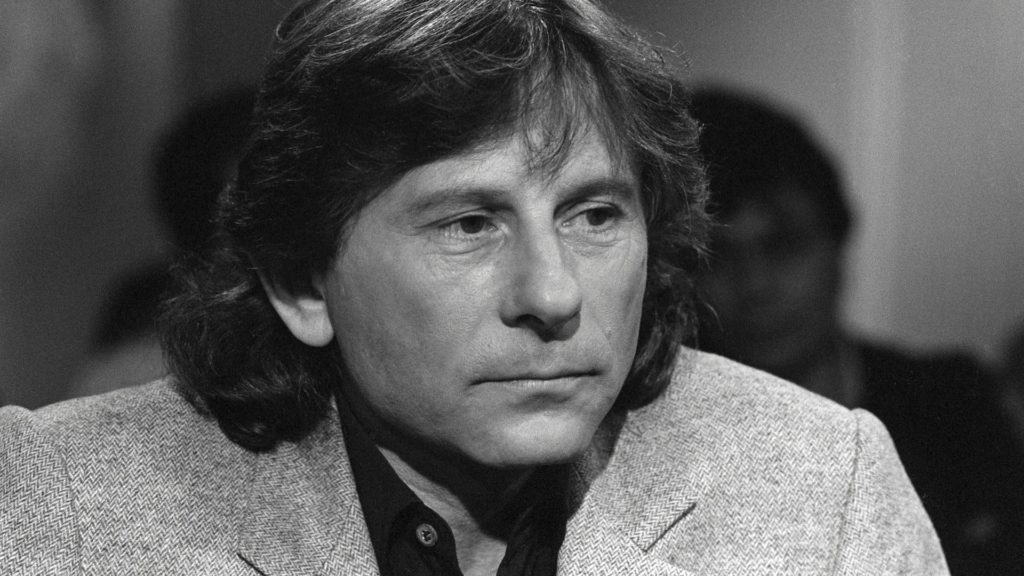
None other than writer and director Roman Polanski.

Polanski was born in Paris to Polish-Jewish parents. The family moved back to Poland in 1937, and the young Roman spent most of his childhood trying to survive the Holocaust. As a young man, he rose to prominence thanks to his early work, with films such as Knife in the Water (1962), Repulsion (1965) and Cul-De-Sac (1966). In America, he made groundbreaking, enduring works like Rosemary's Baby (1968) and Chinatown (1974). He went on to directed popular thrillers and award-winning dramas such as Frantic (1988), The Pianist (2002), The Ghost Writer (2010) and Carnage (2011), working in everything from comedy to horror, farce to suspense, and has proven himself a master at nearly every genre and filmmaking style.

But let's not beat around the bush: fundamental to any discussion of Polanski is the fact that in 1978 he was convicted of raping a minor. Polanski fled the US after a very controversial trial, and has not returned to the country in almost four decades. The charges are still pending.

Due to this, as well as other accusations that have come to light over the years, he is a very difficult filmmaker to discuss. It is impossible to talk about his career without acknowledging his past - or, for that matter, his present - and nor would we want to.

And so this episode will be at least partly devoted to examining whether we can embrace, or even just watch, works authored by people who have committed heinous crimes. Is discussing a body of work the same as celebrating it? Forget separating the art from the artist, can we separate the artist from the person?

It might seem like the worst possible time to discuss someone like Polanski, and maybe it is. But as we witness the toppling of Harvey Weinstein, Brett Ratner and Kevin Spacey, and the beginnings of what we can hope is real progressive change in the film industry, perhaps it's the ideal time to wrestle with this topic.

So join us on November 30 for what we're fairly confident will be a very lively and interesting show.

Our next filmmaker of the month, Roman Polanski

Elliot On Jeunet

Trivia question: what was the last episode of Hyphenates in which everyone was in the same room for the recording? The first person to correctly answer wins a set of— no, it's okay, we know you don't care. But for the record, it was the show with Kate Hardie back in April 2016. So it's nice to finally get the band back together, even if the band members have changed.

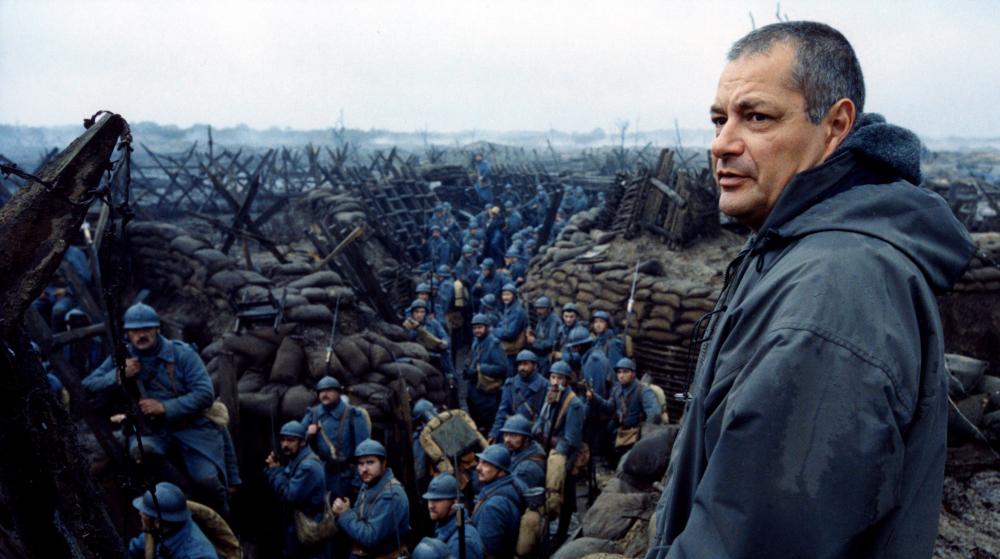
We were delighted to get Adam Elliot on the show, despite him being waist-deep in drafting the screenplay for what we all hope is his next film. After discussing a variety of eclectic filmmaker possibilities, Adam eventually landed on the great Jean-Pierre Jeunet.

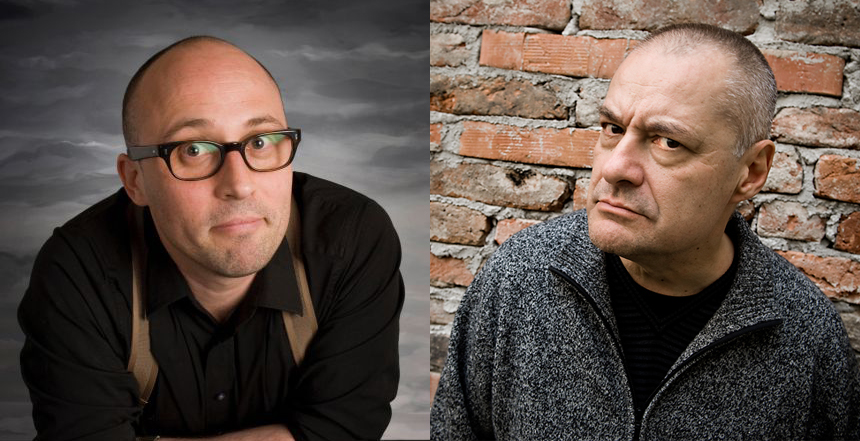
We figured that since we were talking about the films of Jeunet, including the ones he made with collaborator Marc Caro, we may as well resurrect the mini-Hyphenate segment and look at Caro's solo work. So you get two filmmakers for the price of one! Also, give us some money.

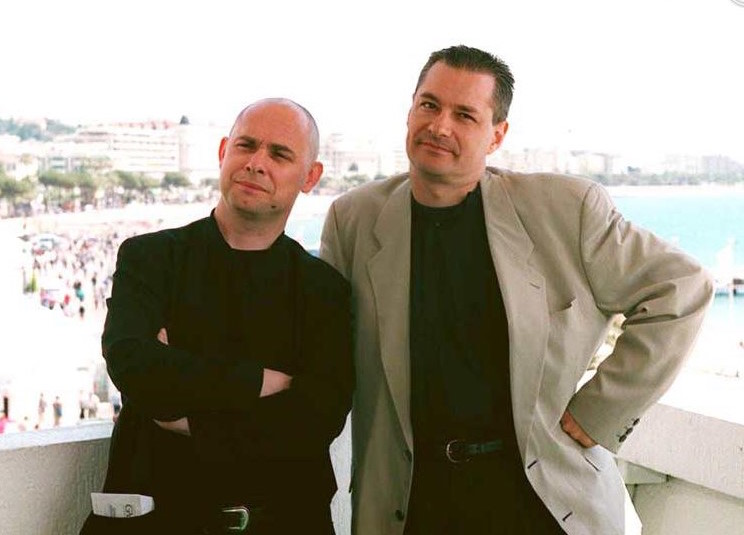
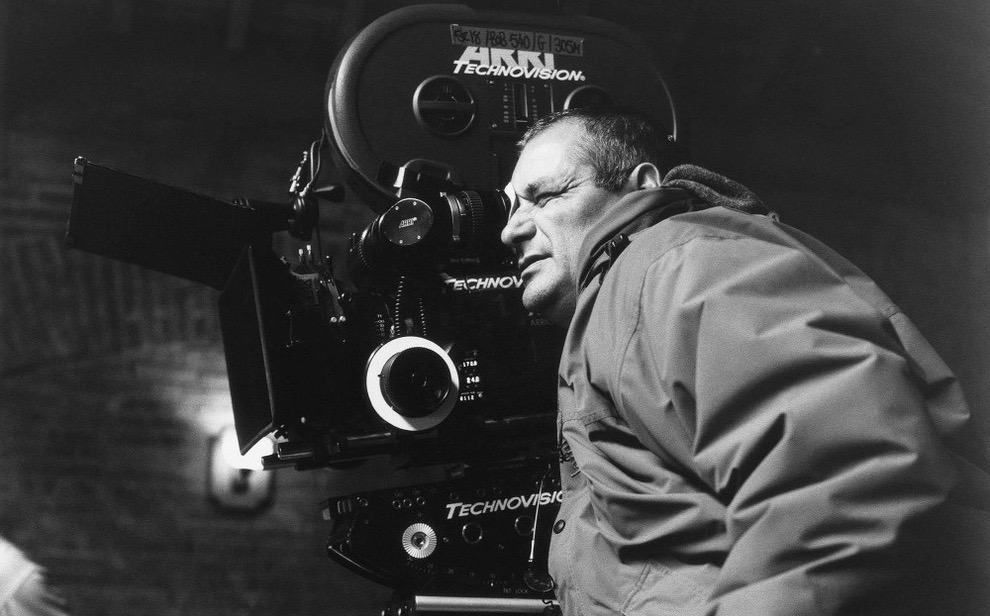
Marc Caro and Jean-Pierre Jeunet in the early 1990s

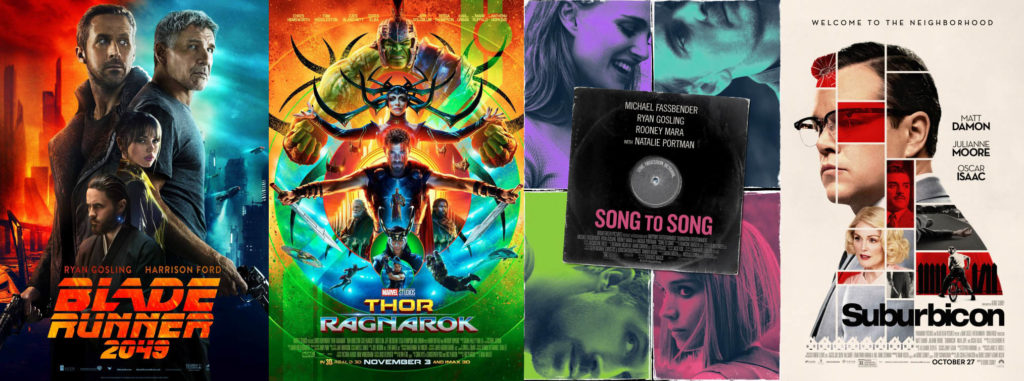
We also lasso Adam in for the reviews segment even though he'd only seen one of the films we were talking about. We take a look back at Denis Villeneuve's ambitious sequel Blade Runner 2049, check out Taika Waititi's unconventional superhero sequel Thor: Ragnarok, side-eye Terrence Malick's wistful love story Song To Song, and debate George Clooney's dark comedy thriller Suburbicon.

Further reading:

Rochelle, Adam and Lee record this month’s episode… in the same room!

Special thanks to Markus Stone for his help with the recording.

Outro music: score from Amelie (2001), composed by Yann Tiersen

The latest episode of Hell Is For Hyphenates, featuring Adam Elliot talking the films of Jean-Pierre Jeunet, can be heard on Stitcher Smart Radio, subscribed to on iTunes, or downloaded/streamed directly from our website.
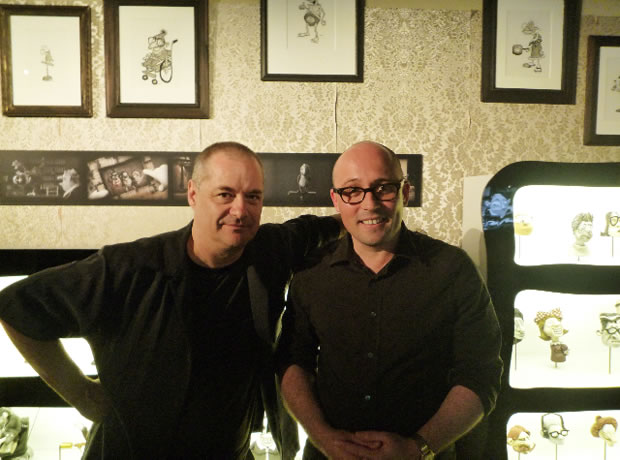
Jean-Pierre and Adam at the Mary and Max exhibition in Melbourne’s ACMI

Hell Is For Hyphenates – October 2017

Adam Elliot joins us to talk the films of Jean-Pierre Jeunet!

Oscar-winning filmmaker and animator Adam Elliot (Harvie KrumpetMary and MaxErnie Biscuit) is our guest this month, and chats to Rochelle and Lee about some of the key films of October 2017, including Denis Villeneuve’s ambitious sequel Blade Runner 2049 (01:12), Taika Waititi’s unconventional superhero sequel Thor: Ragnarok (13:00), Terrence Malick’s wistful love story Song To Song (17:35), and George Clooney’s dark comedy thriller Suburbicon (22:11).

Then, Adam tells us about his filmmaker of the month, the French writer-director Jean-Pierre Jeunet (26:13). Jeunet’s early years saw him collaborating with Marc Caro, and the pair directed a range of short films together before making the back-to-back classics Delicatessen (1991) and The City of Lost Children (1995). Jeunet then went solo, flirting briefly with Hollywood when he directed the fourth film in the Alien franchise, Alien: Resurrection (1997). He then returned to France to make more personal films such as Amelie (2001) and A Very Long Engagement (2004), as well as Micmacs (2009) and The Young and Prodigious TS Spivet (2013). Adam talks to us about Jeunet’s work and when he first became enamoured by his filmmaking.

We also take a diversion to look at the career of Marc Caro (39:11), and look at what he got up to following his collaboration with Jeunet.

The Jean-Pierre Jeunet Cheat Sheet

Want to become an instant expert in our filmmaker of the month without committing yourself to an entire filmography? Then you need the Hell Is For Hyphenates Cheat Sheet: we program you a double feature that will not only make for a great evening's viewing, but will bring you suitably up-to-speed before our next episode lands…

THE CITY OF LOST CHILDREN (1995) and AMELIE (2001)

These doubles that we program for you always work best when a filmmaker has two or more distinct phases to their career, and when each of those phases contains at least one work of total genius. In that spirit, Jean-Pierre Jeunet may have provided us with the material for our greatest cheat sheet to date. Your evening kicks off with The City of Lost Children, the dark futuristic fairytale that Jeunet co-directed with his long-time collaborator Marc Caro. This film about a scientist kidnapping children so he can capture their dreams is terrifying and beautiful and hilarious and one of the most startlingly original works of the 1990s. Once you've watched that, follow it up with Amelie. Jeunet was now flying solo, and created this modern magical romance about a woman who takes it upon herself to improve the lives of everyone around her. In anyone else's hands, this film would be overly twee and painfully quaint, but Jeunet is far too clever for that. Amelie may be sweet and sentimental, but it is decidedly unselfconscious and unafraid to engage with the darker aspects of life and humanity. And it's perfect.

Substitutions: If you can't get or have already seen The City of Lost Children, check out Delicatessen (1991). The first feature from Jeunet and Caro was a post-apocalyptic black comedy that remains as romantic as it is cannibalistic. Dark, funny and original, it remains an absolute must-watch. If you can't get or have already seen Amelie, check out A Very Long Engagement (2004). Whereas Audrey Tatou's Amélie was consumed with creating mysteries, her Mathilde is all about solving them. Following an almost impossible series of clues, Mathilde is determined to discover what happened to her fiancé, thought killed in the trenches of World War One. It's slightly more full-on than Amelie, but retains the beauty, delight and tangents that made the former so successful.

The Hidden Gem: Want to see something off the beaten path, a title rarely mentioned when people talk about the films of Jean-Pierre Jeunet? Then you should check out Micmacs (2009). If “quirky” hasn't become something of a derogatory term, that's the word we'd use to describe this film about a man with a bullet stuck in his head who falls in with a group of misfits, and with them takes down a pair of international arms dealers. Jeunet himself described it as a cross between Delicatessen and Amelie, so it could also be the perfect film to watch if you only have time for one.

The next episode of Hell Is For Hyphenates, featuring Adam Elliot talking the films of Jean-Pierre Jeunet, will be released on 31 October 2017.

Our Next Hyphenate Adam Elliot

Filmmaker, Oscar winner, and Hi4H October 2017 guest host Adam Elliot

Ever since a plucky stop-motion animated film from Australia won the 2004 Oscar for Best Animated Short - beating heavy-hitters Disney, Pixar and Blue Sky, no less - its director Adam Elliot has become a fixture of Australian culture. How many other local filmmakers are so recognisable that they get to play themselves in a nationally-broadcast TV commercial?

Adam resisted the lure of Hollywood, and followed up Harvie with the home-grown feature Mary and Max (2009), the story of an unlikely pen pal relationship between a young Australian girl and an anxiety-ridden man in New York. The film featured the voices of Philip Seymour Hoffman, Toni Collette, Eric Bana, and Barry Humphries, and won the Crystal Bear at the Berlin International Film Festival.

Adam then returned to shorts with 2015's Ernie Biscuit, a wonderfully bittersweet black-and-white story of a deaf Parisian taxidermist. He is currently busy on an upcoming project of which we know very little, but whatever it is, we're awaiting it with bated breath.

Of course, all of that pales in comparison to Adam's next role: Hell Is For Hyphenates guest host!

And which filmmaker will Adam be joining us to discuss?

None other than French director Jean-Pierre Jeunet!

Jeunet became known for the feature films he co-directed with regular collaborations Marc Caro: dystopian comedy Delicatessen (1991) and the dark fantasy The City of Lost Children (1995). Both films were instant classics, and the pair was soon courted by Hollywood.

Jeunet was allured by the possibilities of big studio filmmaking, but Caro was not, and the two went their separate ways, with Jeunet directing the fourth instalment of the Alien franchise, Alien: Resurrection (1997). It was a big commercial success, but was critically maligned, and Jeunet soon returned to France. His next film was the unconventional romantic comedy Amelie (2001), a huge hit worldwide, and still one of the most beloved films of the 21st century.

Jeunet went on to direct films such as A Very Long Engagement (2004), Micmacs (2009), and The Young and Prodigious TS Spivet (2013), as well as the 2015 pilot Casanova with Diego Luna for Amazon Studio.

So what it is about Jeunet's films that so delights Adam? Join us on October 31 when we find out!

Subscribe to Hell Is For Hyphenates on your favourite podcasting platform so you don’t miss out! Find us on iTunes, Stitcher Smart Radio, or even just make us your browser home page.

Our next filmmaker of the month, Jean-Pierre Jeunet

Black On Stallone

Only a few short weeks ago, you were living in blissful ignorance. You had no idea that you needed comedian, writer and actor Michael Ian Black talking the films of Sylvester Stallone. But now that you know such a thing exists, you can't go on without it in your life. Smash that subscribe button, people.

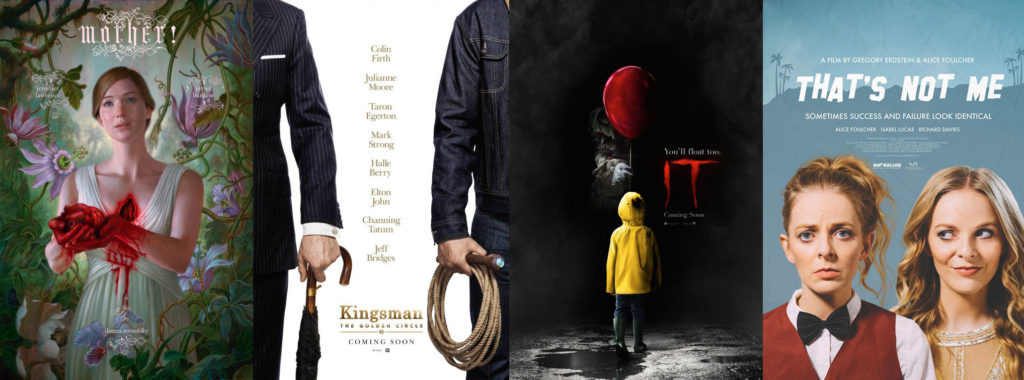
With Rochelle now firmly embedded as Hi4H co-host, we kick off this episode with Rochelle and Lee looking back at some of the key films of this month. These include Darren Aronofsky's divisive mother!, comic book sequel Kingsman: The Golden Circle, the Stephen King adaptation It, and Australian comedy That's Not Me.

Lee then ducks off to Skype to chat with Michael Ian Black about the films of Sylvester Stallone! Michael’s reasons for picking Stallone, and his interpretation of what Sly's films are really about, is a must-listen. Whether you rate Stallone or dismiss him, chances are you're going to come away from this episode with a new appreciation of the Italian Stallion.

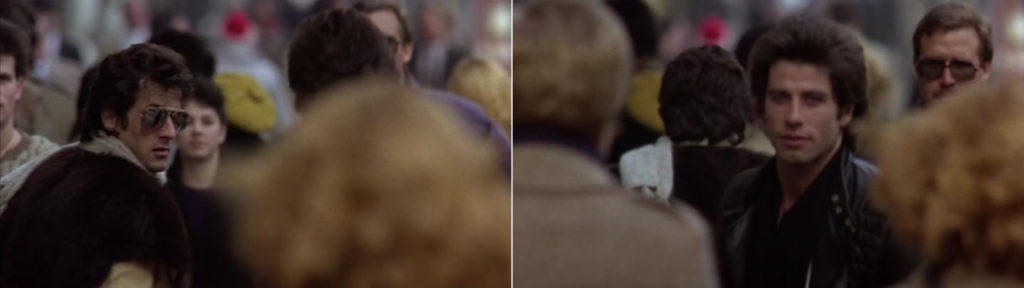
Here’s that Stallone cameo in Staying Alive we mention in the show. What exactly is going on here?

Further reading:

  • We’ve talked in-depth about Darren Aronofsky’s films before! To listen to our Aronofsky episode from January 2011, click here.
  • You can google all the various mother! interpretations, but Darren Aronofsky's own take on what the film means can be read here. And an interesting rebuttal from The New Yorker's Richard Brody can be read here.
  • And speaking of mother!, one thing Lee got massively wrong was citing Rachel Weisz as being the woman in the opening. A number of people had seemingly confirmed this as being fact, but it turns out the first face we see belongs to Canadian actress Sarah-Jeanne Labrosse. Which pretty much destroys the whole theory that spun out from that assumption.
  • If you'd like to know more about that scene we mention from It - the one in the book that does not appear in the film - there's a good rundown of it all here.
  • Michael briefly mentions Stallone starring in a softcore porn film. That would be the 1970's The Party At Kitty and Stud's (later renamed Italian Stallion to cash in on Stallone's stardom), and the story behind the film is outlined in this piece.
  • More details on the Godfather Part III film that Paramount wanted Stallone to write, direct and star in can be found here.
  • And here's this great in-depth interview with Stallone during the promotion of the 2015 Rocky spinoff Creed, looking back at the origins of the series and of Stallone's career in general.

Outro music: “Eye of the Tiger”, written by Frankie Sullivan & Jim Peterik and performed by Survivor, from Rocky III (1982)

The latest episode of Hell Is For Hyphenates, featuring Michael Ian Black talking the films of Sylvester Stallone, can be heard on Stitcher Smart Radio, subscribed to on iTunes, or downloaded/streamed directly from our website.

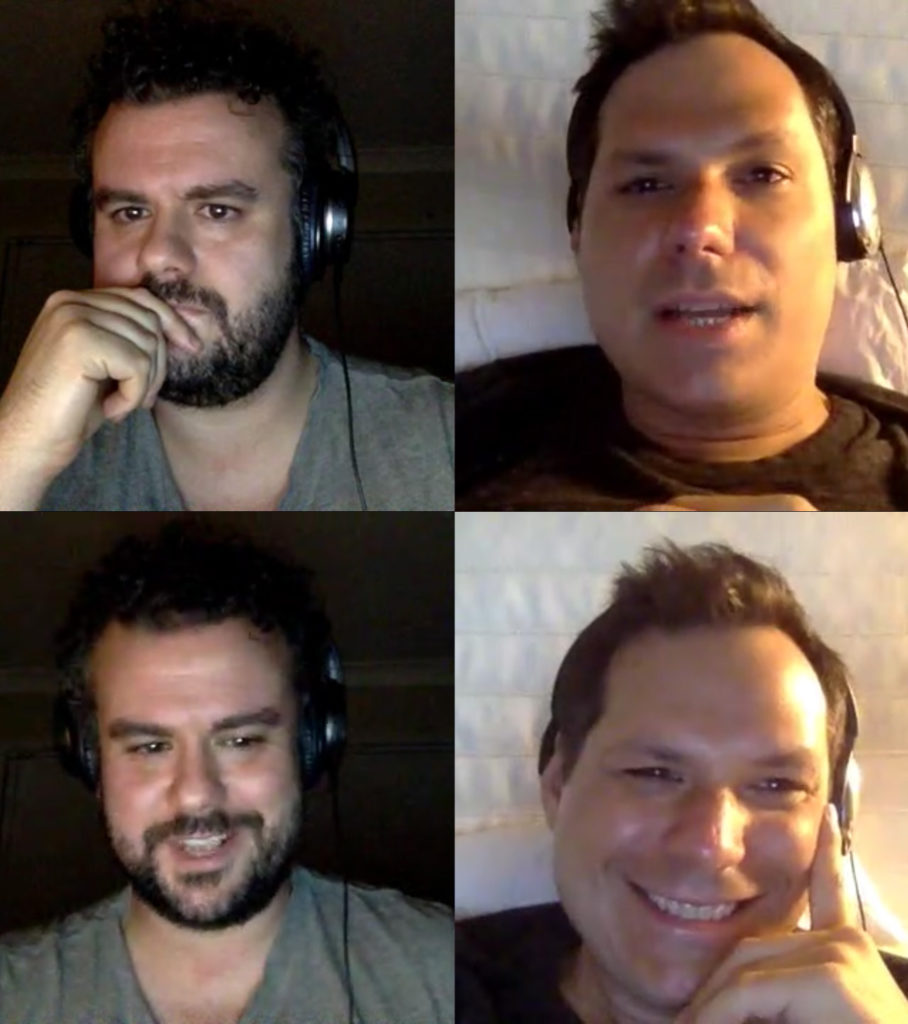
From Atlanta, GA to Melbourne, VIC.

Hell Is For Hyphenates – September 2017

Michael Ian Black joins us to talk the films of Sylvester Stallone!

We kick off this month by looking back at some of the key new releases, including Darren Aronofsky’s allegorical and grammatically-troubled mother! (00:50), Matthew Vaughan’s action sequel Kingsman: The Golden Circle (05:49), Andy Muschietti’s adaptation of the Stephen King classic It (09:32), and the popular Australian indie comedy That’s Not Me (13:57).

Lee then talks with this month’s guest, actor and writer Michael Ian Black (Wet Hot American SummerEdThis Is 40Another Period), to look at the films of writer/director/actor Sylvester Stallone. Stallone’s reputation as a muscle-bound 1980s action hero belies his work behind the camera, with a filmography that’s far more complex and thoughtful than he is often credited with. Michael takes us through this varied and fascinating career, and reveals his theory on what Sly’s films are really about (17:16).

Rochelle then rejoins the show to wrap up the episode and give her thoughts on Stallone’s filmography and the discussion with Michael. (55:16)